Silicon carbide (SiC) is an advanced ceramic material that is widely used in high-performance bearings, semiconductor equipment, chemical machinery and new energy power systems due to its excellent physical and chemical properties. It not only improves equipment operating efficiency but also reduces maintenance costs, making it a key material for ensuring the stability of industrial production.
Silicon carbide has a hardness close to that of diamond, far exceeding that of traditional steel bearings. It can withstand long-term operation under high-speed rotation and high load without wear, maintaining the dimensional accuracy and operational stability of the bearing.
Silicon carbide bearings are virtually unaffected by corrosion in acidic, alkaline, and organic solvent environments, making them suitable for use in chemical, electronics, and pharmaceutical industries and significantly extending equipment lifespan.
With a smooth surface and low coefficient of friction, it can effectively reduce operating heat generation and energy consumption, reduce lubricant consumption, and lower maintenance costs.
It can work for a long time in environments with temperatures up to 300°C and supports high-speed rotation applications, ensuring that the equipment can operate continuously and efficiently without thermal deformation or performance degradation.
The precision machining and self-lubricating properties of silicon carbide materials result in low vibration and low noise in bearings during high-speed operation, improving the comfort and precision of equipment operation.
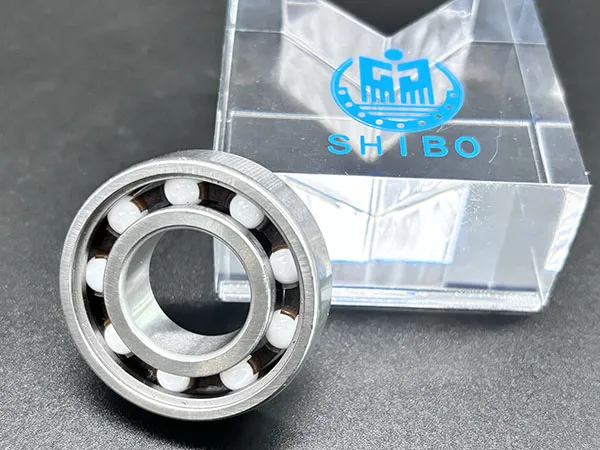
Manufactured from premium ZrO₂ powder
Ensures smooth surface finish and dimensional accuracy
Guarantees reliable performance and long service life
Bearings designed to meet specific industrial needs
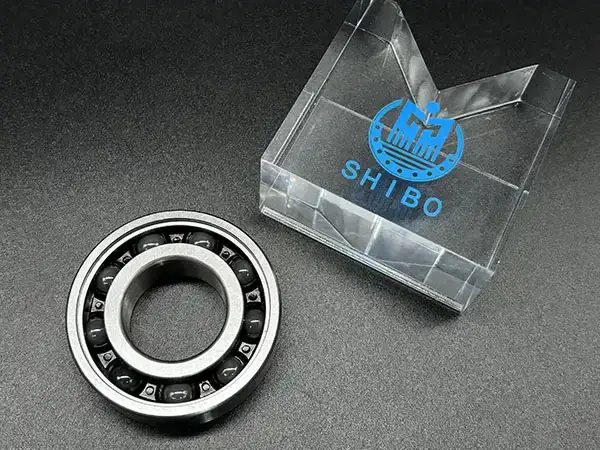
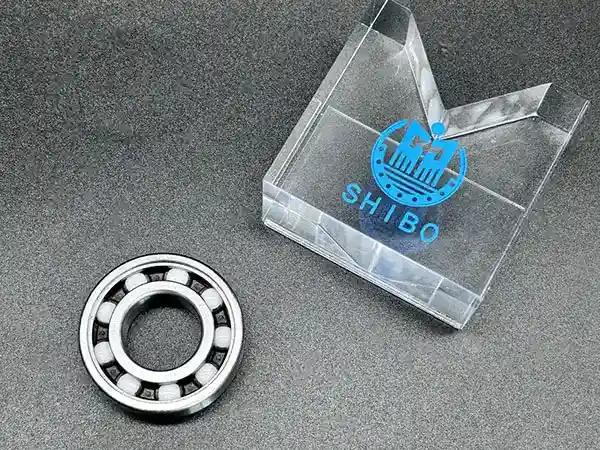
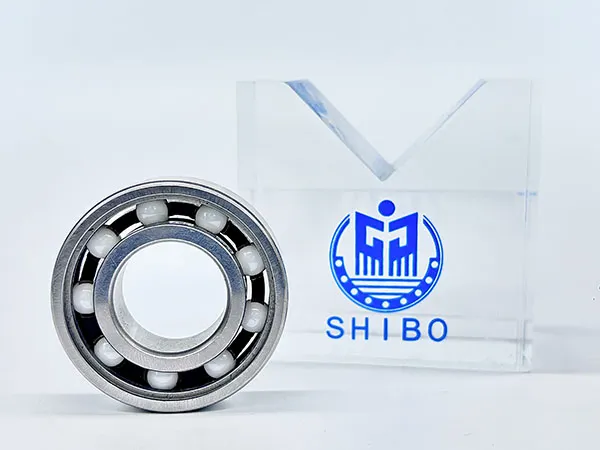
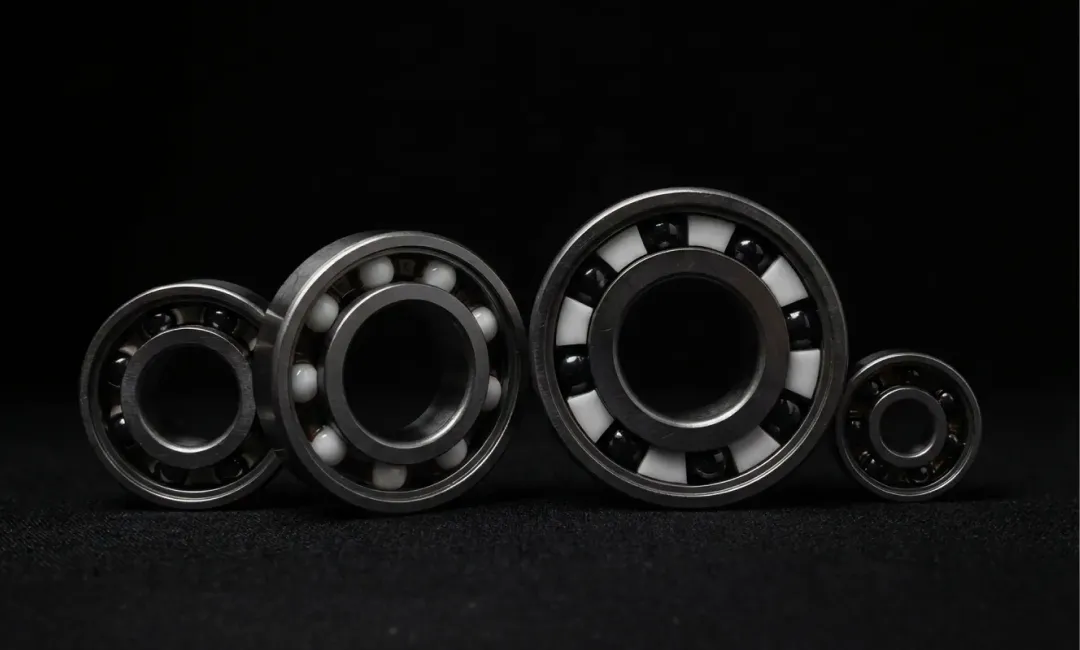
A silicon carbide bearing is a precision component manufactured from silicon carbide (SiC), an advanced ceramic material known for its exceptional hardness, chemical stability, and thermal resistance. Unlike traditional steel bearings, SiC bearings are non-metallic, lightweight, and highly resistant to wear and corrosion, making them ideal for aggressive industrial environments.
Silicon carbide bearings are widely applied in: Chemical processing pumps and reactors Petrochemical equipment Semiconductor manufacturing systems High-temperature furnaces Marine engineering Food and pharmaceutical processing machinery In these industries, equipment reliability and material purity are critical, and SiC bearings help reduce downtime and maintenance frequency.
Yes, silicon carbide bearings can operate at high rotational speeds due to their low density and low friction properties. Their lightweight structure reduces centrifugal forces, which contributes to stable high-speed performance. Proper design and installation are still essential to ensure long-term reliability.
Many silicon carbide bearings can operate under dry-running conditions, especially in water-lubricated or chemically aggressive systems. However, lubrication requirements depend on application design. In certain high-load or high-speed systems, specialized lubrication may still be recommended.
Service life depends on operating conditions, load, speed, and environmental exposure. In corrosive and high-wear environments, silicon carbide bearings often last significantly longer than metal alternatives, reducing replacement frequency and total maintenance costs.
Silicon carbide bearings offer several distinct performance benefits: Extremely high hardness, close to diamond-level materials Outstanding corrosion resistance against acids, alkalis, and salt solutions Excellent thermal stability under high temperatures Low friction coefficient for smooth operation Superior wear resistance for extended service life Non-magnetic and electrically insulating properties These characteristics make them particularly suitable for harsh processing conditions where metal bearings would fail prematurely.
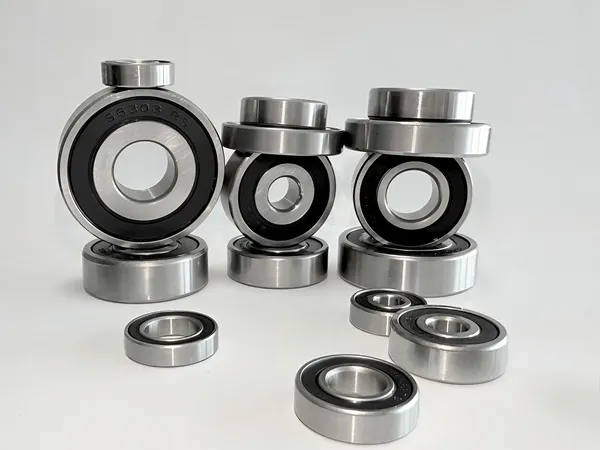
While stainless steel bearings are cost-effective and versatile, they cannot match silicon carbide in terms of: Corrosion resistance in strong chemical environments Hardness and wear resistance Performance under extreme temperatures However, stainless steel bearings are generally more impact-resistant and less brittle. The selection should depend on operating conditions, load type, and budget considerations.
Silicon carbide has excellent thermal stability and can typically operate in environments exceeding 1,000°C in non-oxidizing conditions. In practical industrial applications, working temperatures vary depending on bearing design and lubrication system, but they significantly outperform conventional metal bearings.
Like most advanced ceramics, silicon carbide is harder but more brittle than steel. This means it performs exceptionally well under compressive loads but may be sensitive to sudden impact or improper installation. Careful handling and precise machining are essential during assembly.
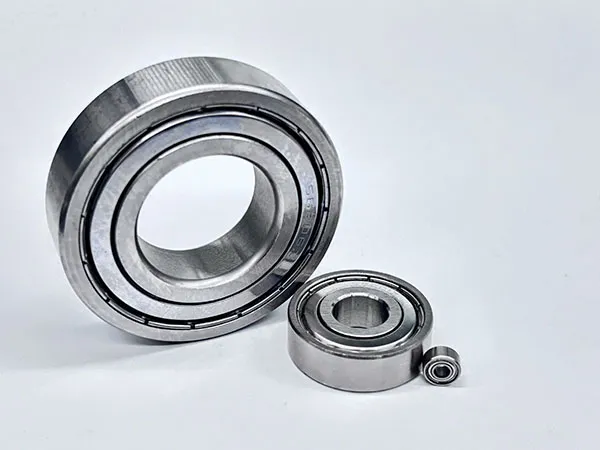
Yes. Many manufacturers provide customized sizes, grades, and structural designs to meet unique equipment requirements. Customization is especially important in chemical pumps, special machinery, and high-precision industrial systems.