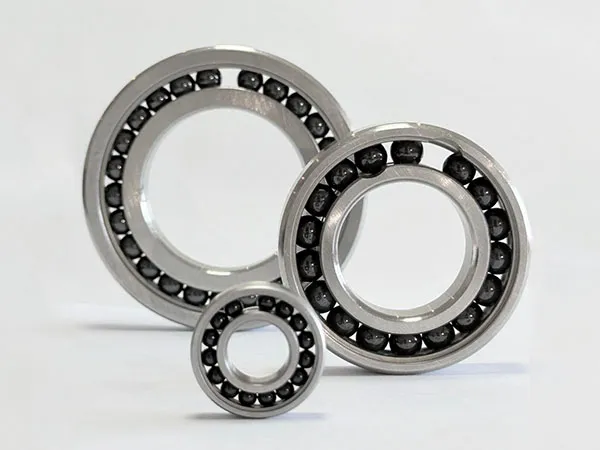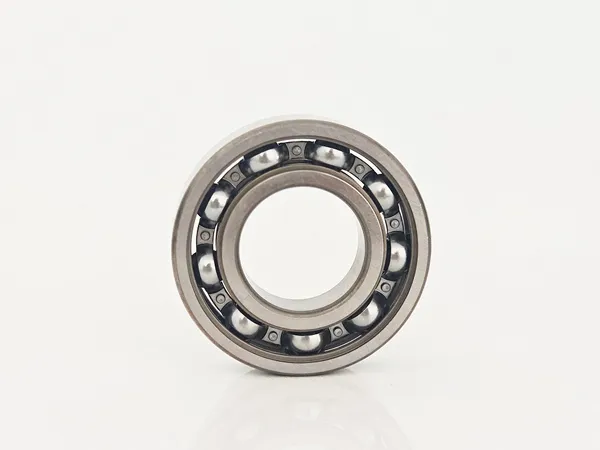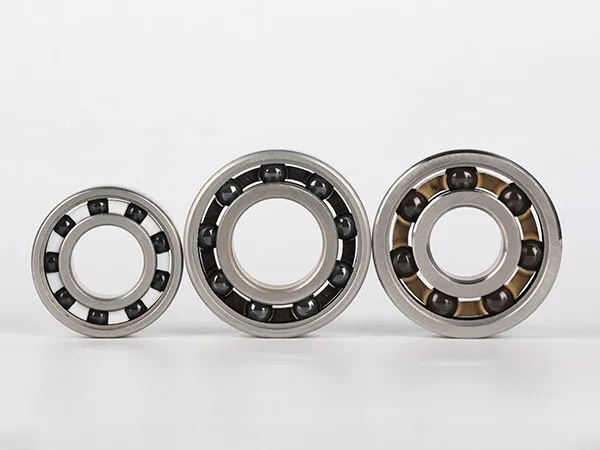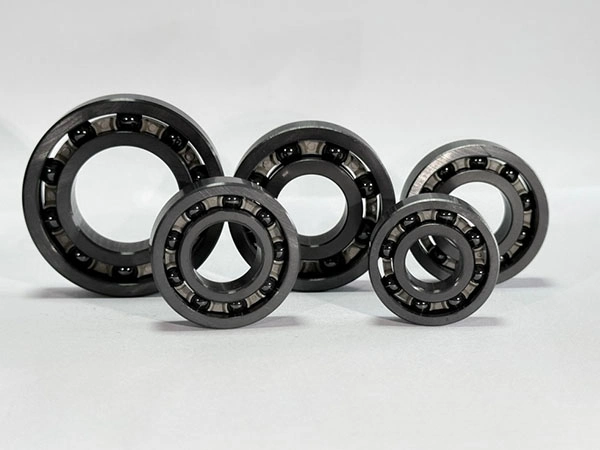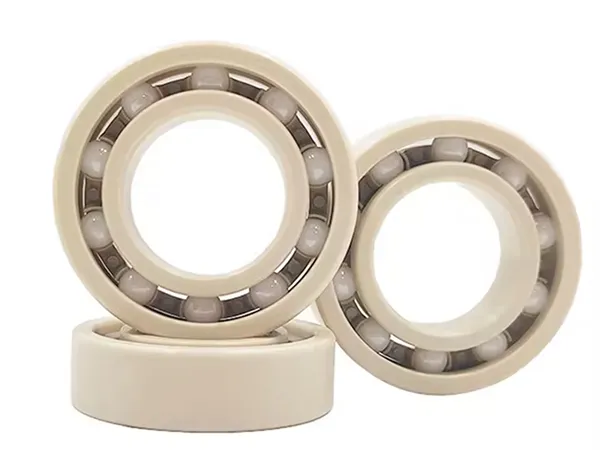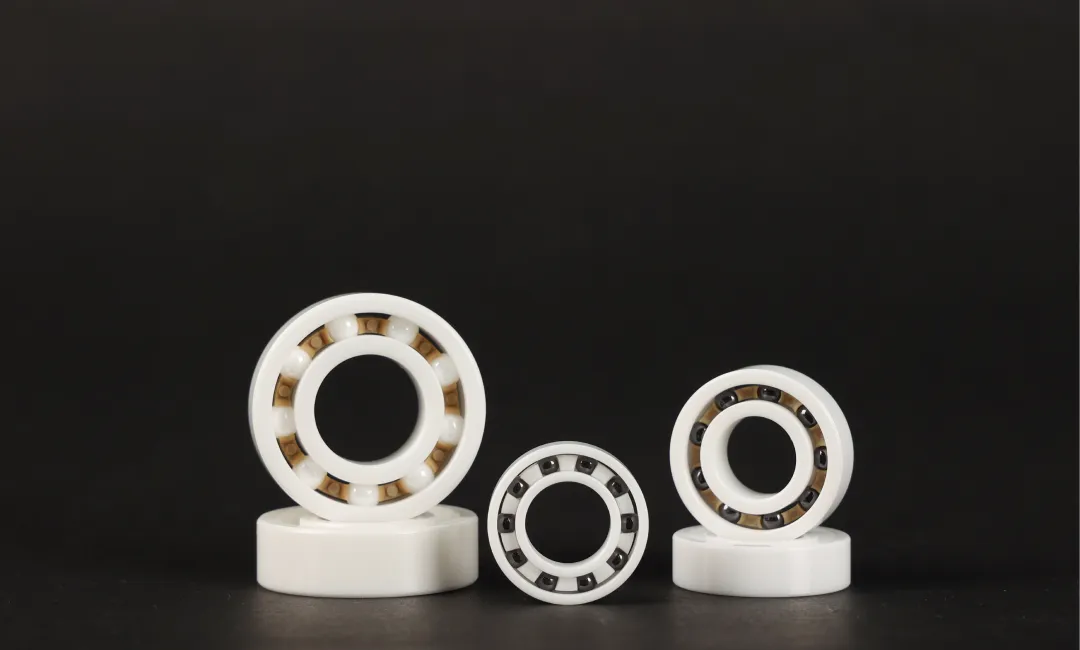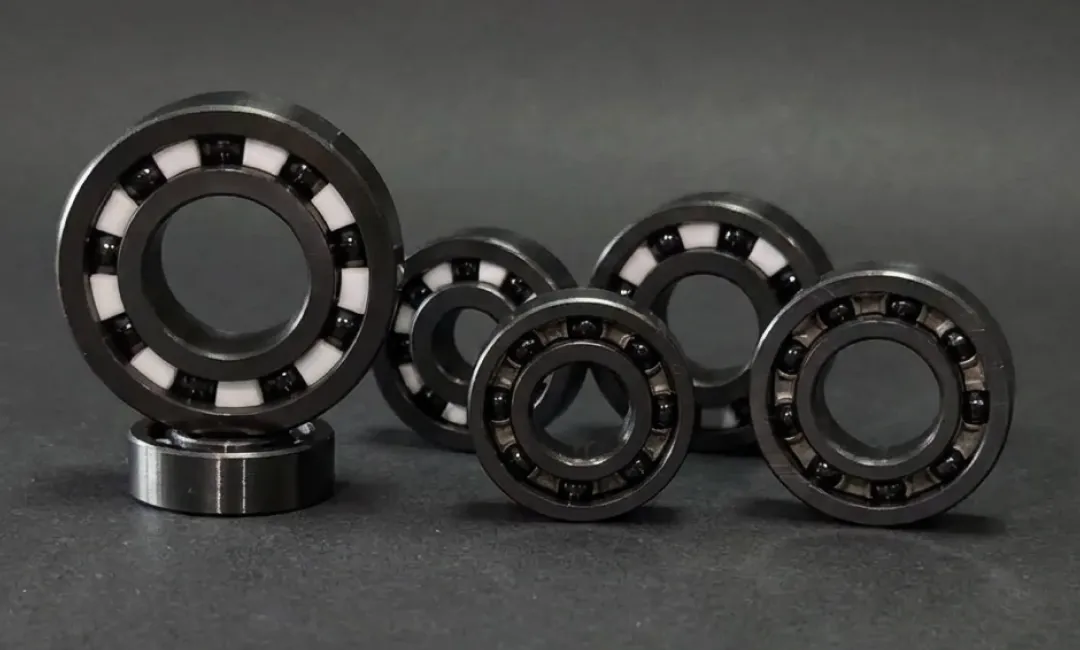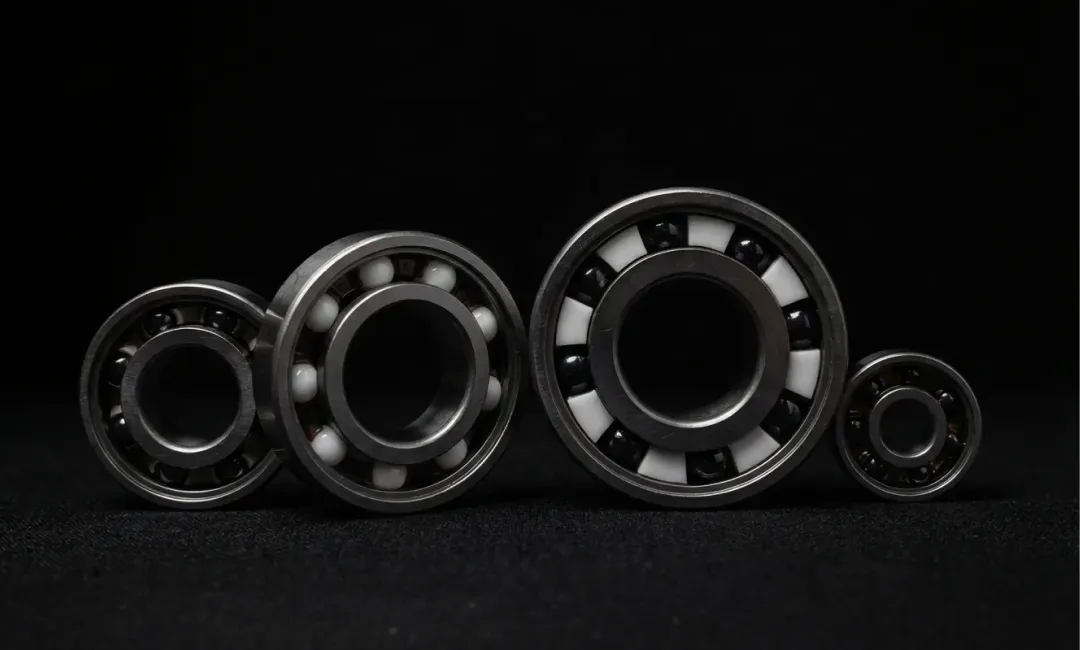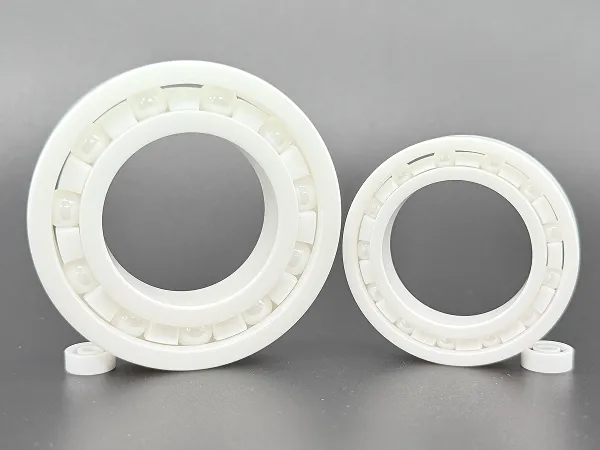
Deep groove ball bearings are designed with a full-contact raceway, enabling them to support substantial radial loads with excellent stability.
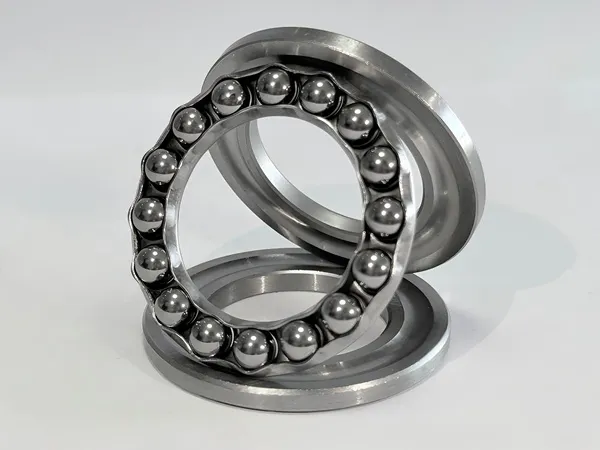
Although primarily for radial loads, they can also accommodate moderate axial loads in both directions, making them versatile for many applications.
Their optimized raceway geometry and precision ball design ensure very low friction, reduced heat generation, and exceptionally smooth rotation.
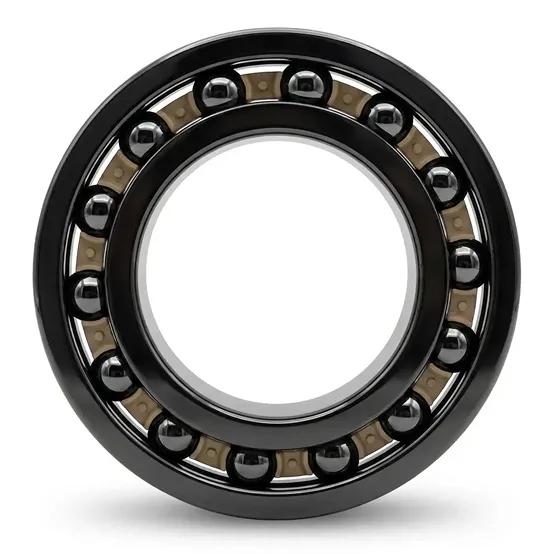
Thanks to their low friction and robust construction, deep groove ball bearings are suitable for high-speed applications and can operate reliably at elevated RPMs.
The bearing’s compact, single-row design offers high rigidity, easy installation, and long service life with minimal maintenance requirements.
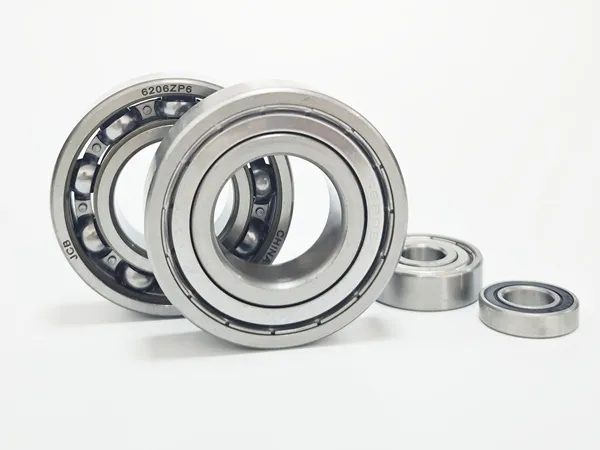
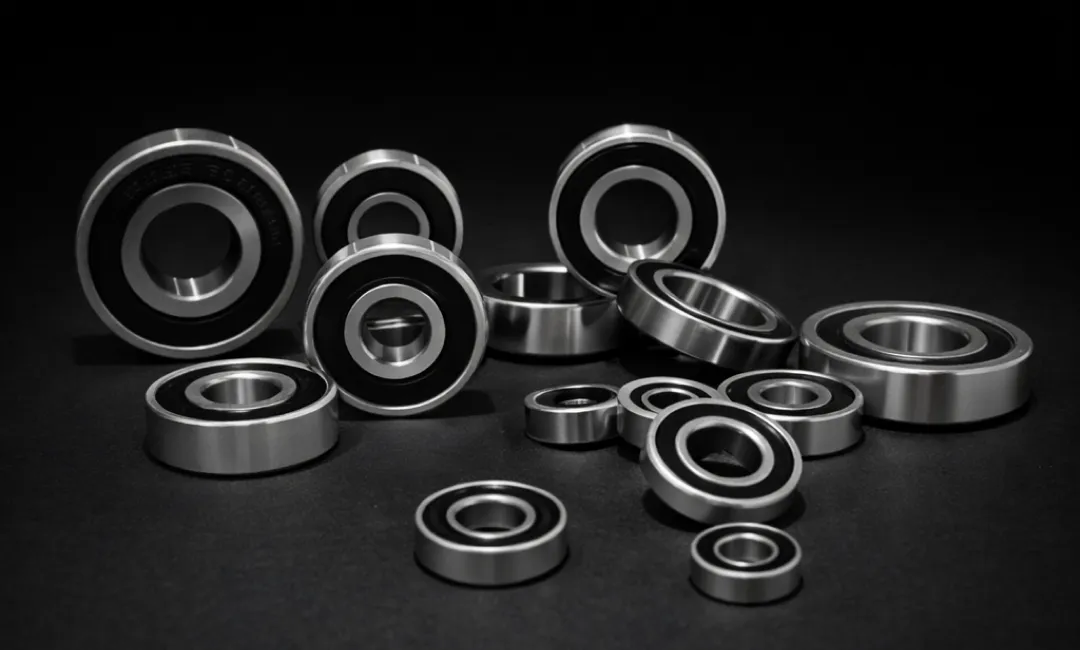
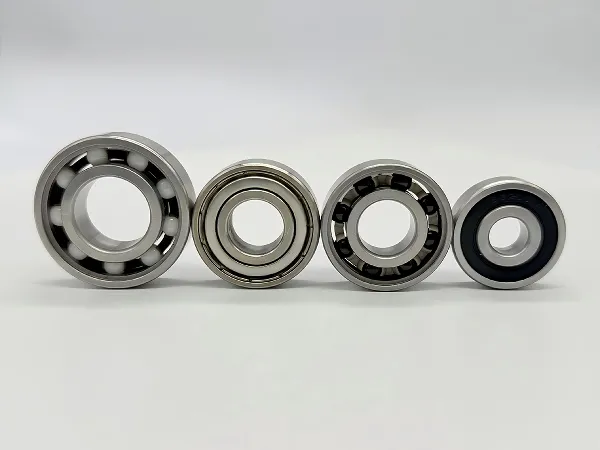
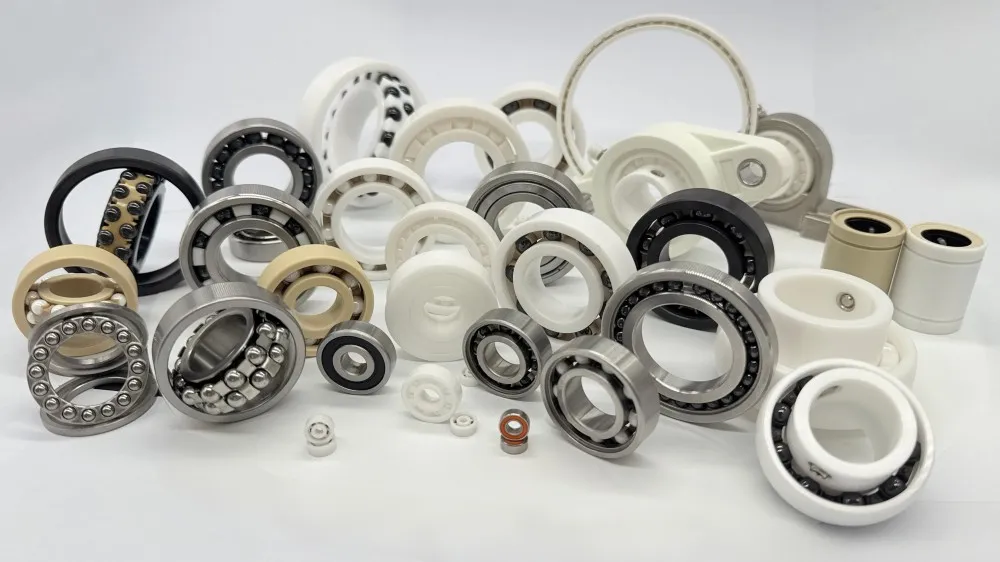
Available with seals, shields, snap rings, stainless steel versions, and special clearances, deep groove ball bearings can be tailored for diverse environments and performance needs.

Ensure proper installation and alignment Use the correct lubrication Avoid contamination and excessive loads Monitor operating conditions regularly
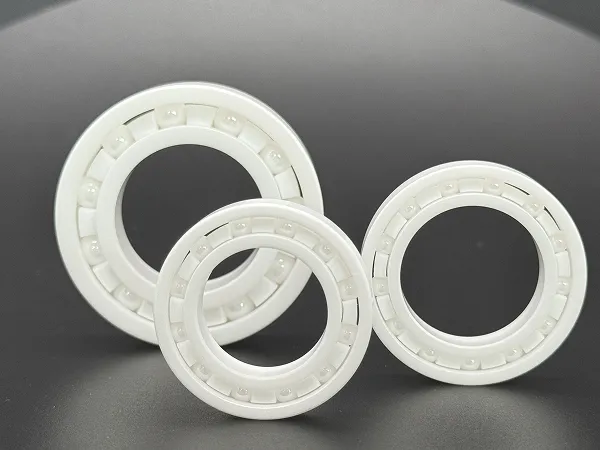
Yes, they are designed for high-speed applications. Hybrid ceramic versions can reach even higher speeds due to lower friction and reduced heat generation.
Grease lubrication: Common for most industrial applications, easy to maintain. Oil lubrication: Recommended for high-speed or high-temperature operations. Follow manufacturer guidelines for type, amount, and re-lubrication intervals.
These bearings are used in a wide range of industries: Electric motors and generators; Automotive wheels and transmissions; Pumps and compressors; Machine tools; Household appliances.
Single-row deep groove ball bearings: Most common type, suitable for radial and light axial loads. Double-row deep groove ball bearings: Can handle higher radial and axial loads. Sealed or shielded bearings: Protect against dust, moisture, and contamination.
Some sealed or shielded versions require little to no maintenance, but regular inspection and proper lubrication are recommended for long-term reliability.
Insufficient lubrication or contamination; Misalignment or improper mounting; Overloading or shock loads; Corrosion or material fatigue.
Consider the following factors: Load type and magnitude (radial, axial, or combined); Operating speed; Temperature and environmental conditions; Required service life and maintenance intervals.
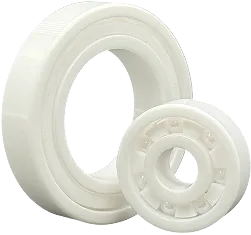
Steel: Chrome steel (bearing steel) is standard for most applications. Ceramic: Hybrid ceramic bearings offer higher speed, lower friction, and longer service life. Stainless steel: For corrosion-resistant applications.
Deep groove ball bearings are a type of rolling bearing that uses balls to maintain the clearance between the bearing raceways. These bearings are designed to withstand radial loads and moderate bidirectional axial loads.