Time: 2025-12-27 07:17:09
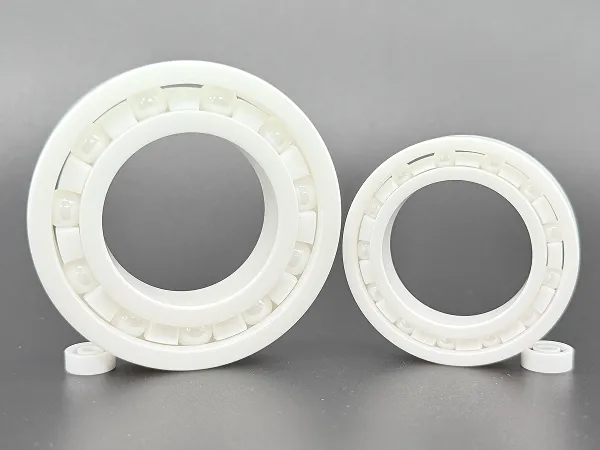
Deep groove ball bearings, as common core components in mechanical equipment, inevitably generate vibration and noise during rotation. This not only affects the operating efficiency of the equipment but may also accelerate bearing wear and shorten its service life. So, how can we effectively reduce the vibration and noise of deep groove ball bearings? This article will provide you with practical solutions.
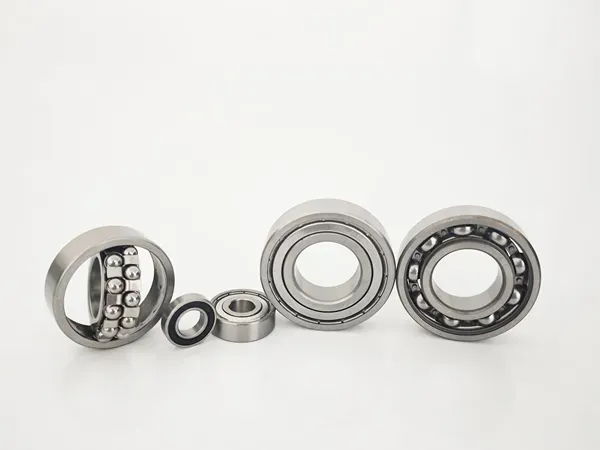
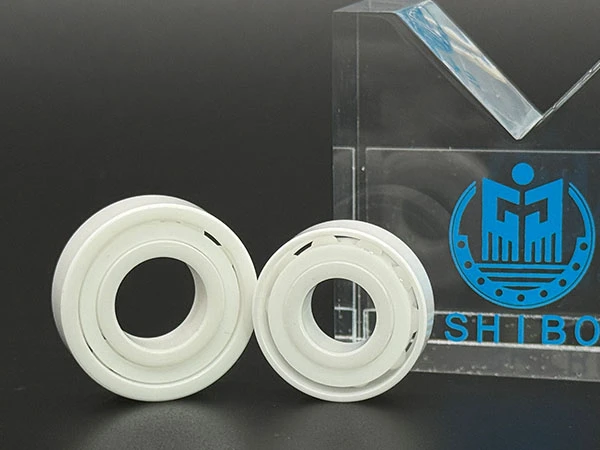
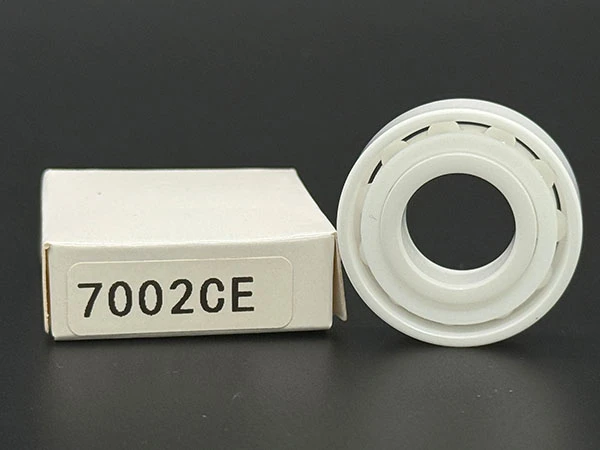
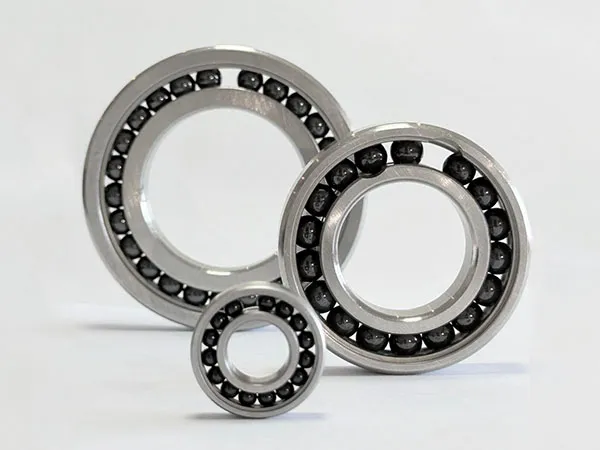
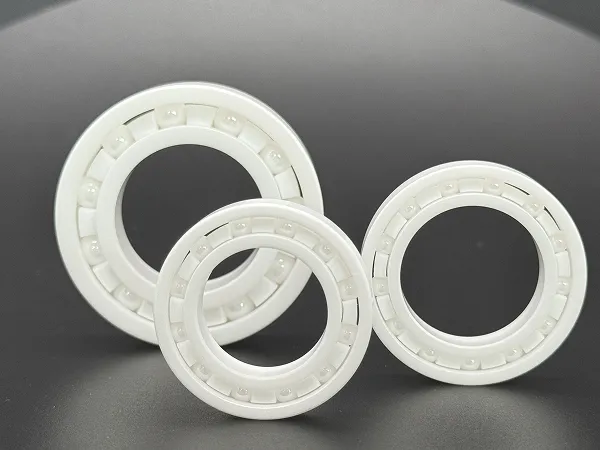
The material and precision of the bearing directly affect the vibration and noise levels. High-quality deep groove ball bearings typically use high-purity bearing steel or ceramic balls, which have lower internal friction and better surface finish. Furthermore, selecting an appropriate precision grade (such as P5 or P6) can significantly reduce imbalances and vibration sources during bearing operation.
Recommendation: For high-speed machinery, prioritize ceramic ball or hybrid ceramic bearings to reduce frictional noise.
Improper installation and lubrication are among the main causes of bearing vibration. During bearing assembly, ensure the following:
The bearing and shaft are accurately coaxial to avoid eccentricity;
Do not apply excessive radial or axial pressure during installation;
Use a lubricant that meets specifications (such as high-performance grease or oil) and ensure adequate lubrication.
Lubricants not only reduce friction but also absorb some vibration energy, thus reducing noise.
Vibration and noise are also closely related to the external environment:
Temperature control: Excessively high or low temperatures can affect lubrication performance, leading to increased friction;
Clean environment: Dust and impurities entering the bearing will accelerate wear and generate abnormal noise;
Vibration source isolation: Implement vibration reduction design for the entire machine, such as using shock-absorbing pads or elastic support structures, to reduce vibration transmission.
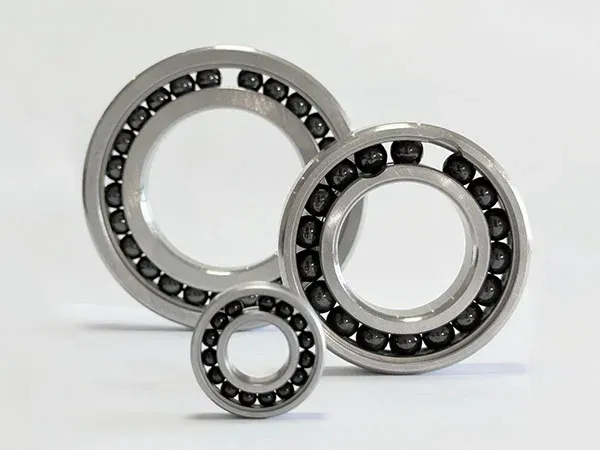
During long-term operation, bearing wear and lubricant aging are inevitable. Regularly checking the bearing's temperature rise, vibration frequency, and noise level can help identify potential problems and prevent further vibration exacerbation.
Common methods include:
Vibration analyzer monitoring of bearing vibration signals;
Infrared thermometry detection of abnormal bearing temperatures;
Replacing aged or contaminated lubricant.
Deep groove ball bearings specifically designed for low vibration and low noise are also available on the market. These bearings feature more refined raceway design, ball polishing, and clearance control, significantly reducing operating noise and making them suitable for applications such as high-precision equipment, fans, motors, and medical devices.
Vibration and noise issues with deep groove ball bearings not only affect equipment performance but also increase maintenance costs. By selecting high-quality bearings, scientifically installing and lubricating them, controlling environmental factors, performing regular maintenance, and using low-noise bearings, vibration and noise can be effectively reduced, equipment lifespan extended, and production efficiency improved.
Want more information on the selection and application of high-performance deep groove ball bearings? Visit our independent website for more professional solutions to make your machinery operate quietly and efficiently.