Time: 2025-12-27 06:38:05
In today’s fast-evolving industrial world, equipment is expected to run faster, longer, and more reliably under extreme conditions. Traditional steel bearings often struggle with high temperatures, corrosive environments, and demanding speeds. This is where ceramic bearings stand out. Understanding ceramic bearing applications can help engineers and buyers choose smarter solutions for high-performance machinery.
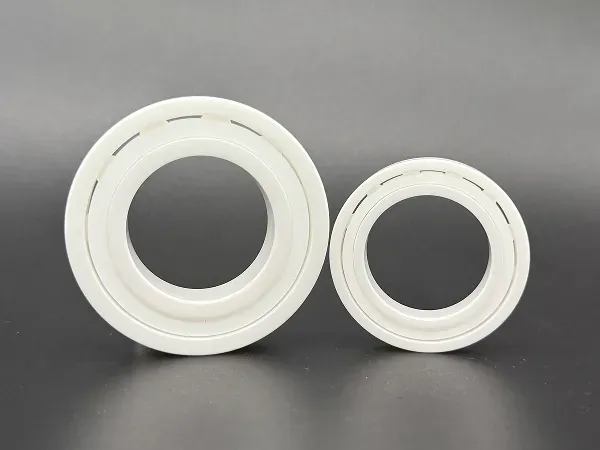
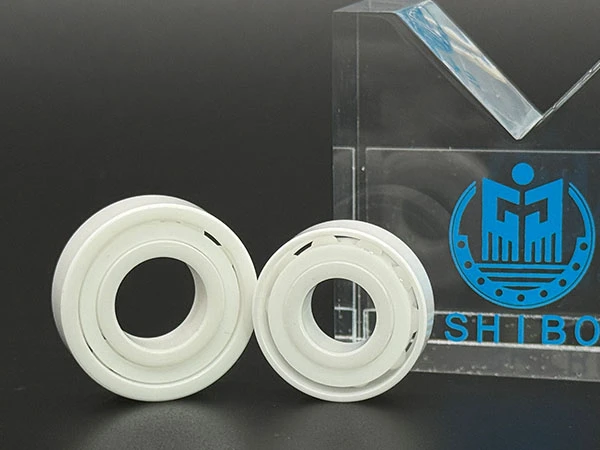
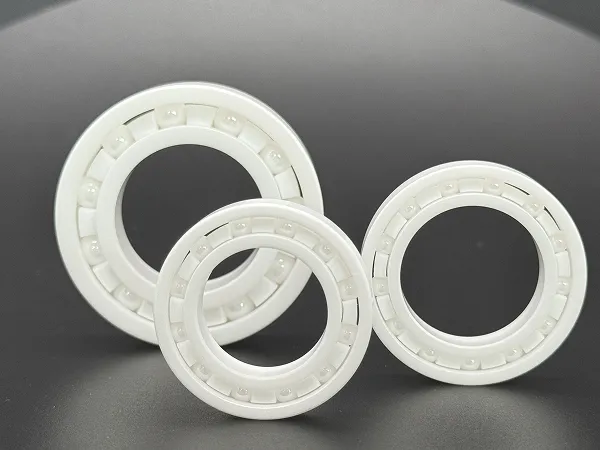
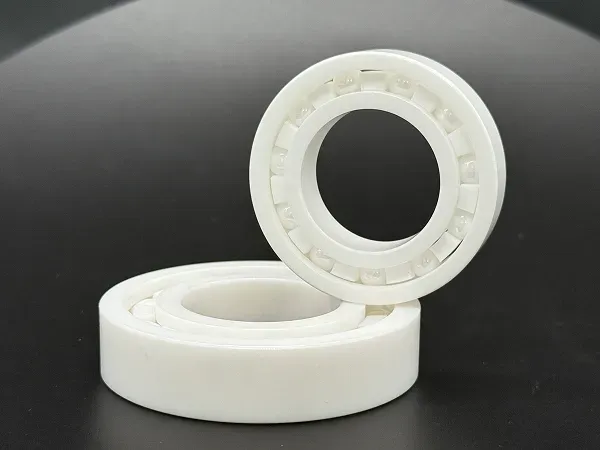
Ceramic bearings are rolling bearings made partly or entirely from advanced ceramic materials such as silicon nitride (Si₃N₄) or zirconia. Compared with conventional steel bearings, they offer:
Lower density and lighter weight
Higher hardness and wear resistance
Excellent corrosion and chemical resistance
Superior performance at high speeds and temperatures
Electrical insulation properties
These advantages make ceramic bearings ideal for demanding applications where standard bearings fail to meet expectations.
With industries pursuing higher efficiency, lower maintenance, and longer service life, ceramic bearing applications are expanding across multiple sectors. Key drivers include:
High-speed operation – reduced centrifugal force and heat generation
Extreme environments – resistance to moisture, chemicals, and vacuum
Energy efficiency – lower friction means reduced power loss
Reliability – longer lifespan minimizes downtime and replacement costs
As a result, ceramic bearings are no longer niche components but strategic choices in modern equipment design.
1. Electric Motors and Drives
Ceramic bearings are widely used in high-speed motors, servo drives, and traction motors. Their electrical insulation prevents current leakage and pitting damage, significantly extending motor life.
Typical uses: EV motors, spindle motors, industrial drives.
2. Machine Tool Spindles
High precision and stability are critical for CNC machines. Ceramic hybrid bearings reduce vibration, allow higher RPM, and maintain accuracy under heavy loads.
Benefits: Higher cutting speed, improved surface finish, longer maintenance intervals.
3. Aerospace and Aviation
In aerospace systems, weight reduction and reliability are essential. Ceramic bearing applications in turbines, auxiliary power units, and flight control systems ensure performance under high temperature and speed.
Key value: Lightweight, heat resistance, long service life.
4. Medical and Dental Equipment
Ceramic bearings are corrosion-resistant and non-magnetic, making them perfect for clean and sensitive environments.
Applications: Dental handpieces, medical centrifuges, MRI-compatible devices.
5. Chemical and Food Processing
In environments exposed to water, acids, alkalis, or frequent washdowns, steel bearings corrode quickly. Ceramic bearings withstand harsh media without lubrication contamination.
Typical uses: Pumps, mixers, filling machines, conveyors.
6. Renewable Energy and Power Generation
Wind turbines, generators, and high-speed compressors benefit from ceramic bearings’ fatigue resistance and low friction.
Advantages: Reduced maintenance, improved energy efficiency.
7. Semiconductor and Vacuum Equipment
Full ceramic bearings are ideal for ultra-clean and vacuum environments where lubrication is limited or forbidden.
Applications: Wafer handling systems, vacuum pumps, robotics.
Understanding ceramic bearing applications also means selecting the right type:
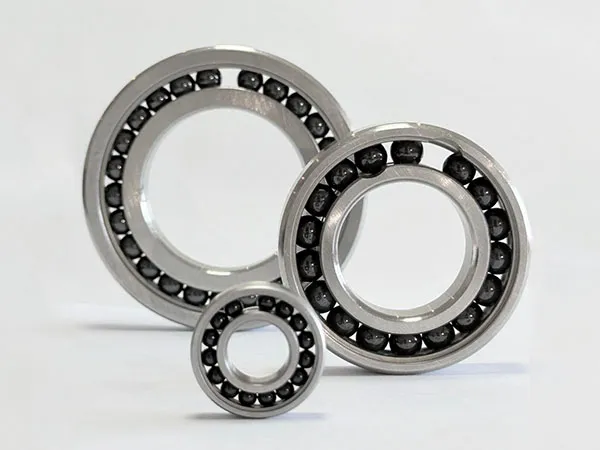
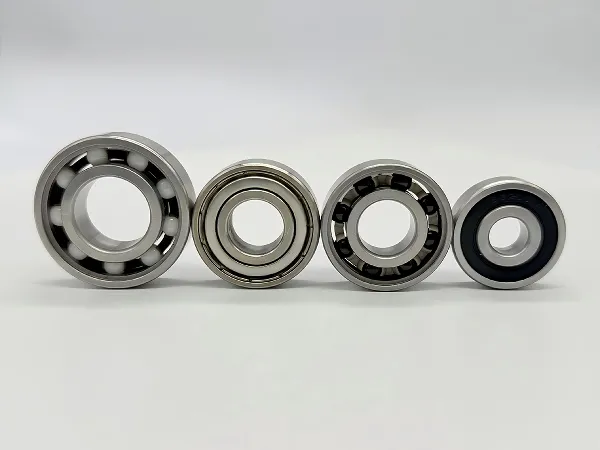
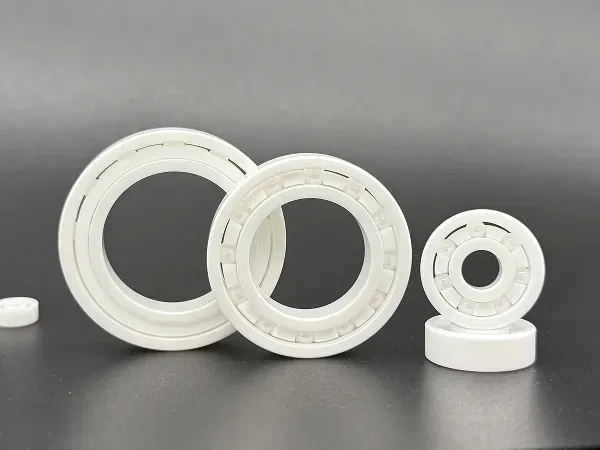
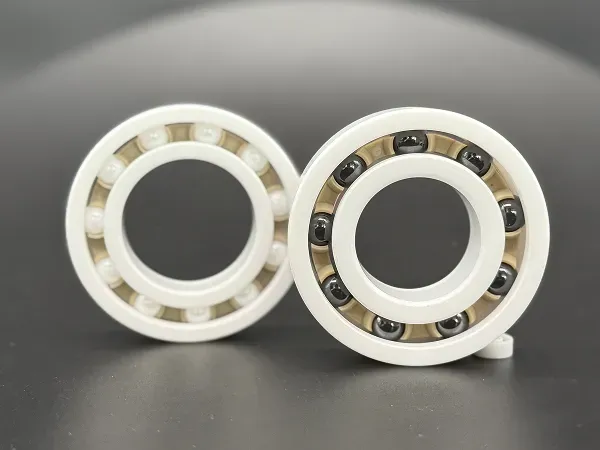
Hybrid ceramic bearings: Ceramic balls + steel rings
Best for high-speed, heavy-load, and cost-sensitive applications
Widely used in motors and spindles
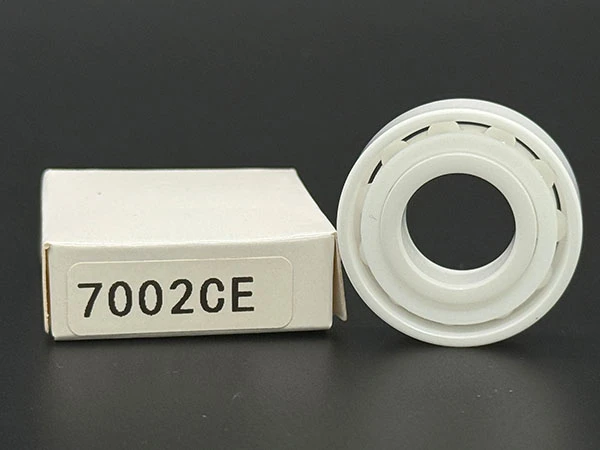
Full ceramic bearings: Ceramic balls + ceramic rings
Ideal for corrosive, non-magnetic, and high-temperature environments
Common in chemical, medical, and vacuum systems
Choosing the right configuration ensures optimal performance and cost efficiency.
By adopting ceramic bearing applications, users can achieve:
Longer service life – up to 2–5 times compared to steel bearings
Lower maintenance – less lubrication, fewer replacements
Higher operating speed – safer at extreme RPM
Reduced downtime – improved production continuity
Better ROI – lower total cost of ownership
These benefits directly translate into higher productivity and competitiveness.
What to Consider When Selecting Ceramic Bearings
Before choosing ceramic bearings, consider:
Operating speed and load
Temperature range
Exposure to moisture or chemicals
Need for electrical insulation
Precision and noise requirements
Cost vs. lifecycle benefits
A professional supplier can help match the bearing design to your specific application.
As industries move toward automation, electrification, and sustainability, ceramic bearing applications will continue to grow. Trends include:
Wider use in EVs and high-speed rail systems
Integration in smart manufacturing equipment
Increasing demand in clean energy and semiconductor sectors
Development of customized ceramic bearing solutions
Ceramic bearings are becoming a key enabler for next-generation machinery.
With deep experience in advanced bearing technology, we provide:
A full range of hybrid and full ceramic bearings
Strict quality control and material selection
Customized solutions for specific applications
Technical support from design to installation
Reliable delivery and competitive pricing
We are committed to helping you maximize equipment performance through the right ceramic bearing applications.
From high-speed spindles to corrosive chemical pumps, ceramic bearing applications are redefining what modern machinery can achieve. Their unmatched performance in extreme conditions makes them the smart choice for industries seeking efficiency, reliability, and long-term value.
If you are looking to upgrade your equipment or explore new possibilities, ceramic bearings could be the solution that takes your system to the next level.