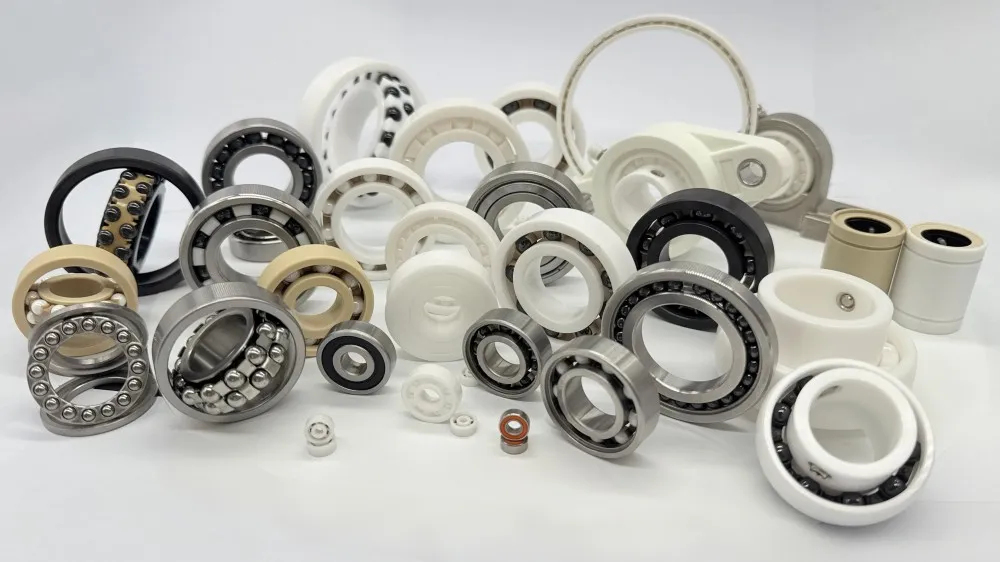
Thrust ball bearings are specifically designed to handle axial (thrust) loads in one or both directions, making them ideal for applications with strong axial forces.
They provide accurate rotation and low axial clearance, ensuring precise operation in machinery where alignment is critical.
The ball-and-raceway design minimizes friction, allowing smooth motion and efficient energy transfer in axial load applications.
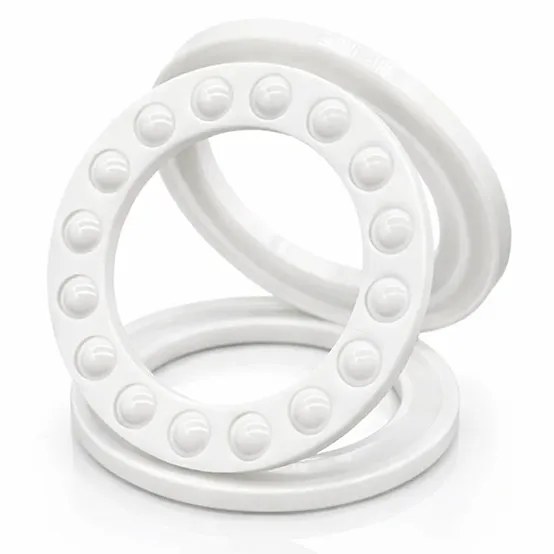
Thrust ball bearings are primarily for axial loads and can only support small radial loads, so they are best paired with other bearings if radial support is needed.
Made of hardened steel or other high-strength materials, these bearings resist wear and maintain performance under repeated axial stress.
Simple design allows for relatively straightforward mounting and replacement, and routine maintenance ensures long service life.

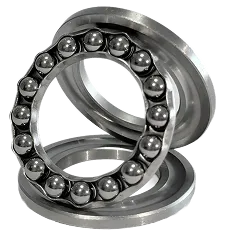
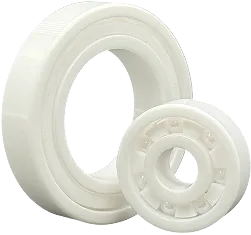
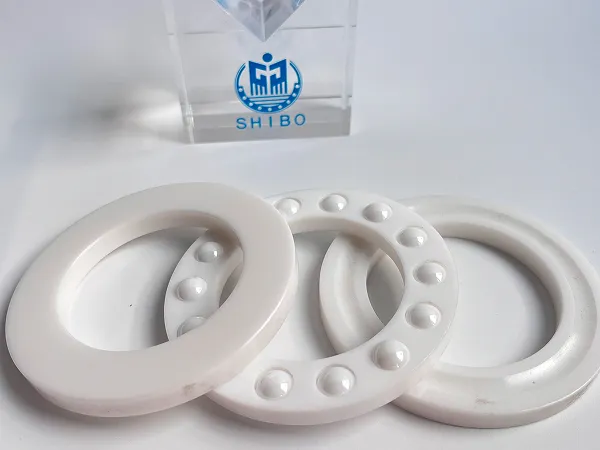
A thrust ball bearing is a type of bearing designed to handle axial loads (forces along the shaft) while supporting rotation. Unlike radial bearings, thrust ball bearings are optimized for axial load capacity rather than radial load. They consist of ball elements, raceways, and a cage to maintain separation.
Single-direction thrust ball bearings: Handle axial loads in one direction only. Double-direction thrust ball bearings: Can handle axial loads in both directions. Angular thrust ball bearings: Can handle combined radial and axial loads, but primarily designed for axial.
Cannot handle high radial loads. Limited speed capacity compared to deep groove or angular contact bearings. Requires accurate axial alignment for optimal performance.
Grease lubrication: Suitable for most low-to-medium speed applications. Oil lubrication: Used for high-speed or high-temperature applications. Regular lubrication ensures long bearing life and reduces wear.
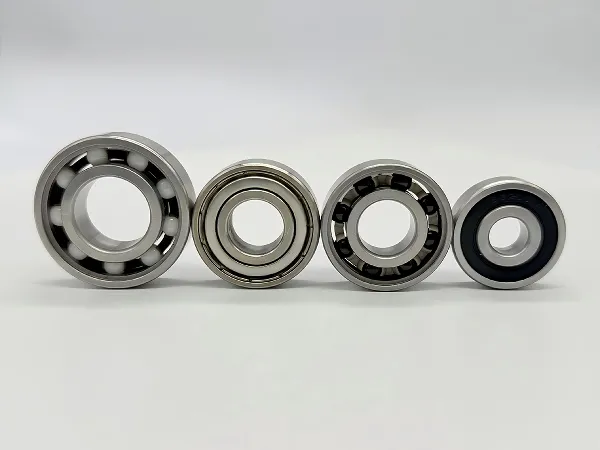
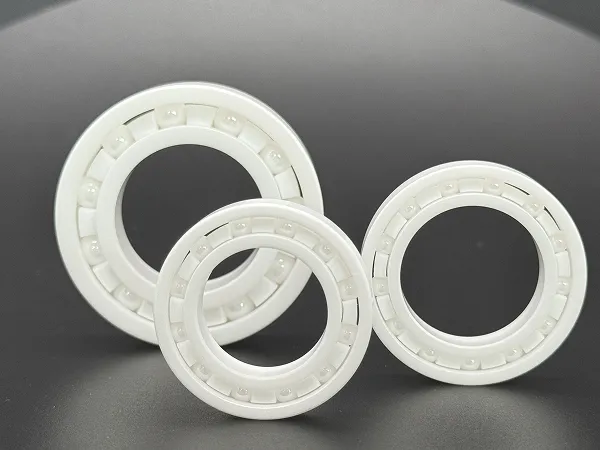
Thrust ball bearings typically consist of: Shaft washer (inner ring): Mounted on the shaft. Housing washer (outer ring): Mounted in the housing. Ball elements: Spherical rolling elements that carry the load. Cage (retainer): Keeps the balls evenly spaced and reduces friction.
High axial load capacity in a compact design. Low friction at moderate speeds. Precision performance for rotational alignment. Ease of mounting and dismounting in machines.
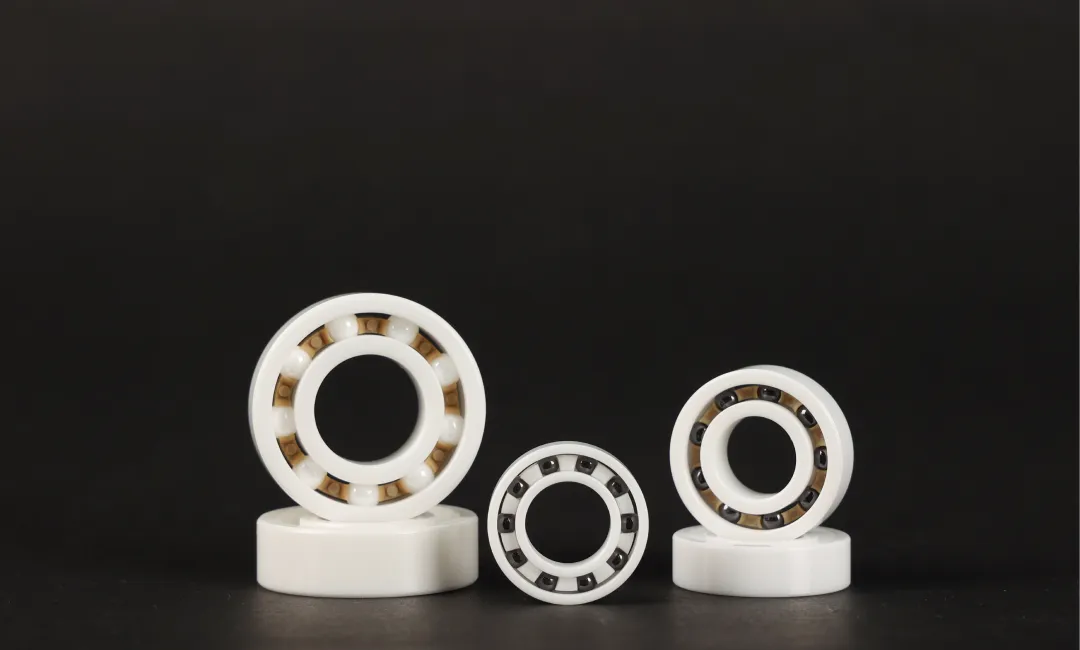
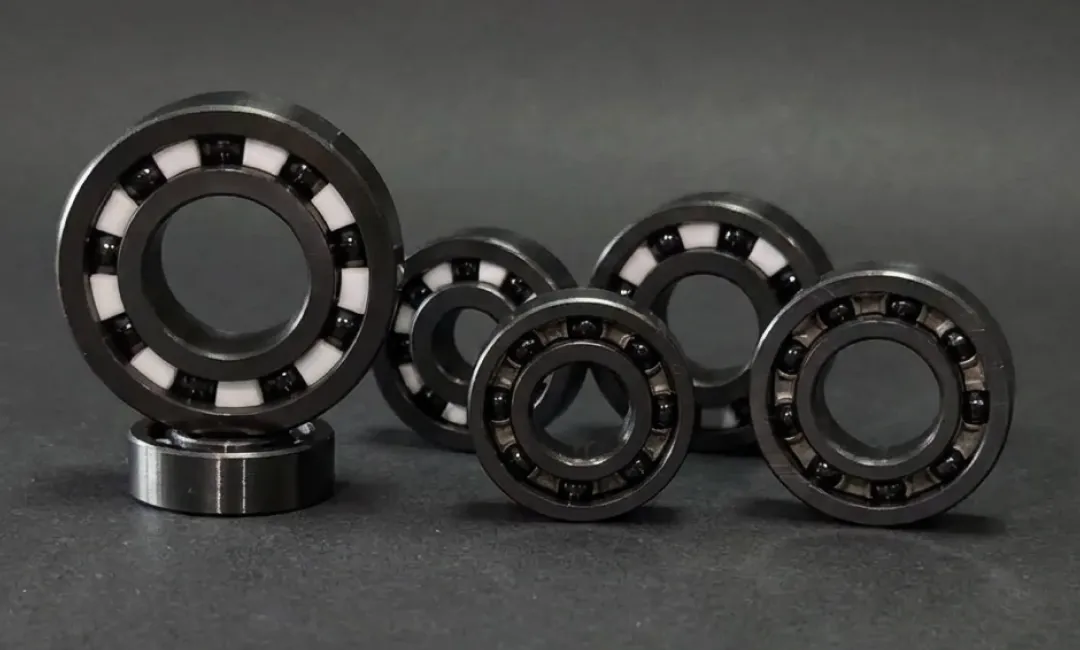
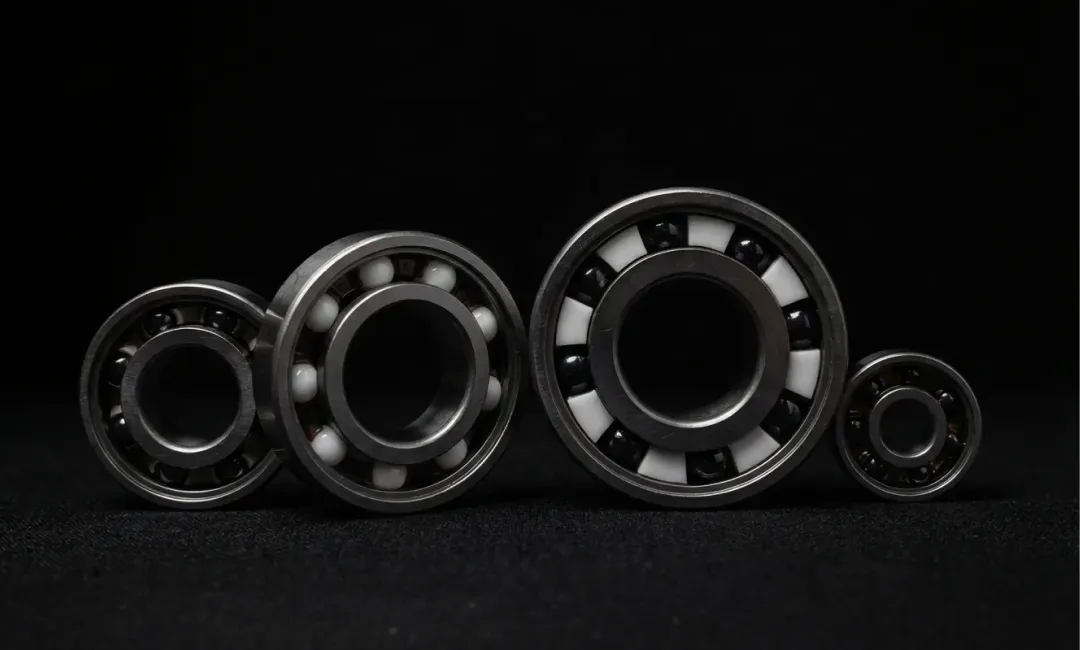
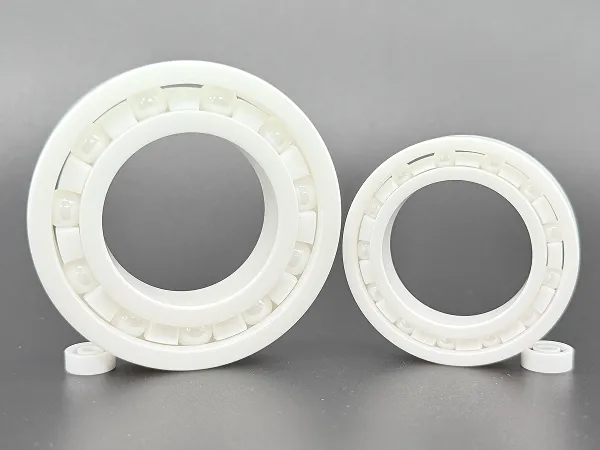
Chrome steel (GCr15): Standard material for most industrial applications. Stainless steel (AISI 440C): For corrosion resistance and hygiene-critical applications. Ceramic balls (Si3N4): High-speed or high-temperature applications, lower weight.
Ensure proper alignment during installation. Use the correct lubrication type and schedule. Avoid shock or excessive loads. Maintain a clean operating environment to prevent contamination.