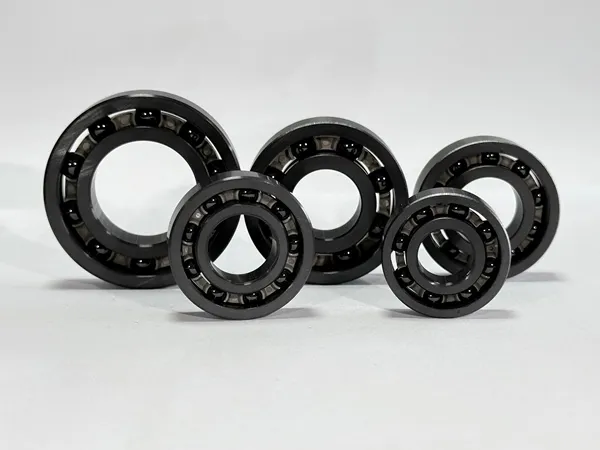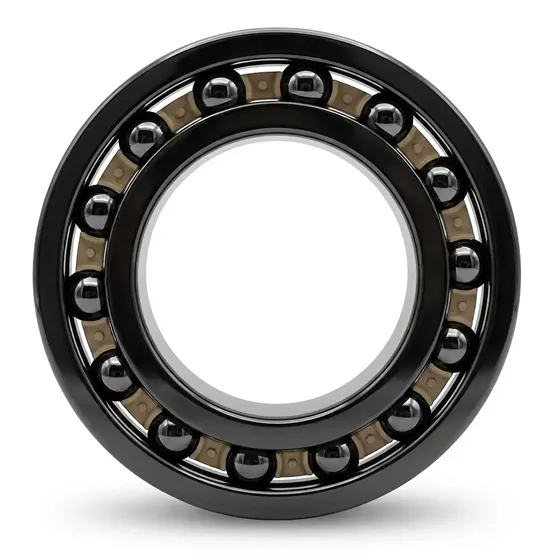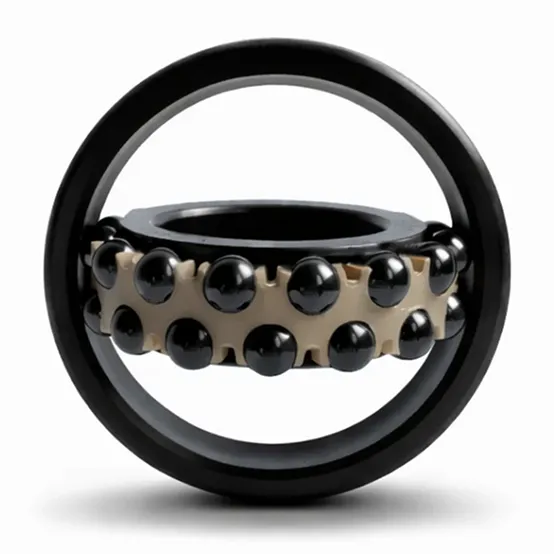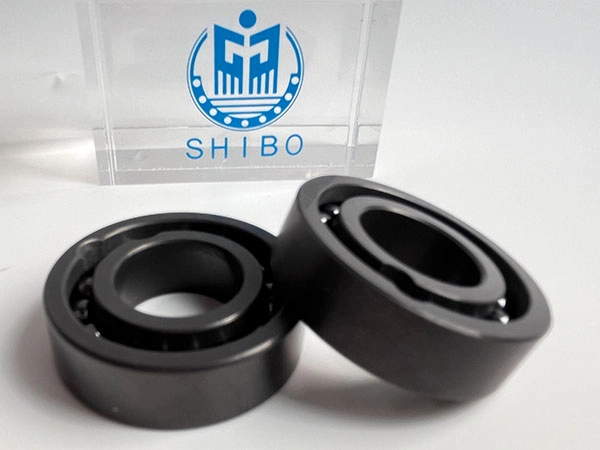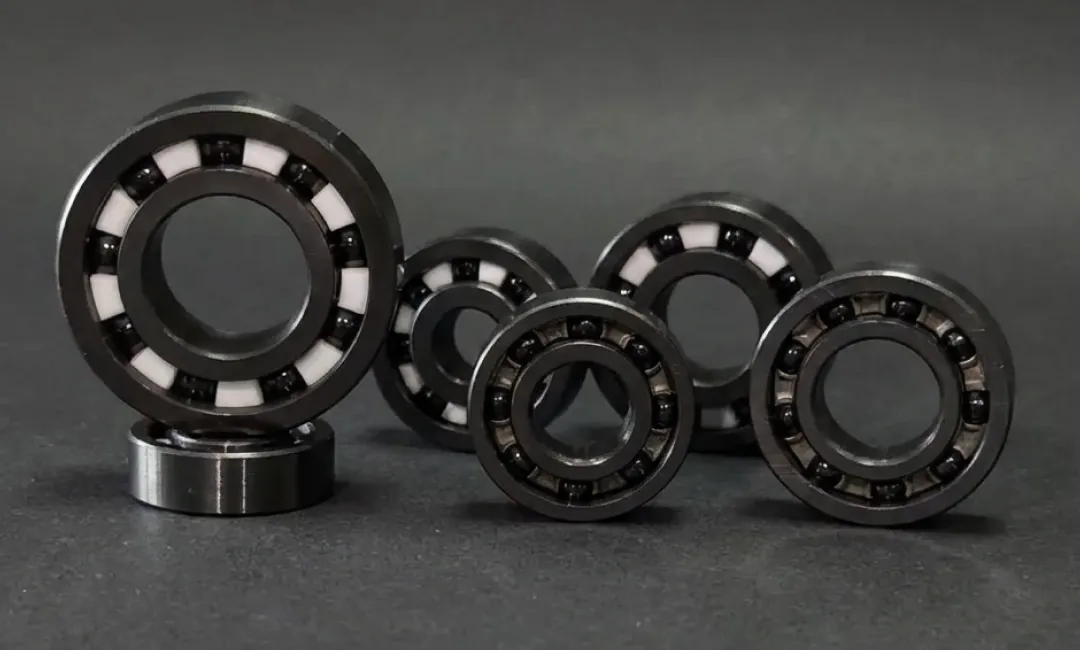
Silicon nitride (Si₃N₄) is a high-performance advanced ceramic material widely used in engineering applications that demand exceptional mechanical, thermal, and chemical stability. Its unique combination of properties makes it ideal for high-speed, high-temperature, and highly corrosive environments, particularly in industries such as aerospace, automotive, semiconductors, and precision machinery.
High strength: Excellent flexural strength, maintaining excellent strength even at 1200 °C. Fracture toughness: Its fracture toughness ranges from 6 to 10 MPa·m¹/², enabling it to resist crack propagation under mechanical stress.
High Thermal Shock Resistance: Silicon nitride can withstand rapid temperature changes due to its low thermal expansion coefficient (~3×10⁻⁶ /K). High Temperature Stability: Maintains mechanical integrity at temperatures up to 1400 °C in air, making it suitable for turbines and engine components.
Corrosion and Oxidation Resistance: Si₃N₄ is highly resistant to oxidation, acids, alkalis, and most molten metals, providing long-term durability in harsh chemical environments. Low Reactivity: Non-metallic nature ensures minimal interaction with lubricants, fuels, or reactive gases, critical for precision instruments and bearings.
Insulating Material: Silicon nitride is an excellent electrical insulator with a dielectric strength of ~12–15 kV/mm. Low Dielectric Loss: Maintains stability across a wide frequency and temperature range, useful in electronic and semiconductor components.
Low coefficient of friction: When used with certain materials (such as steel), the low friction makes it ideal for bearings. Wear resistance: Excellent, significantly extending service life in high-speed and contaminated environments.
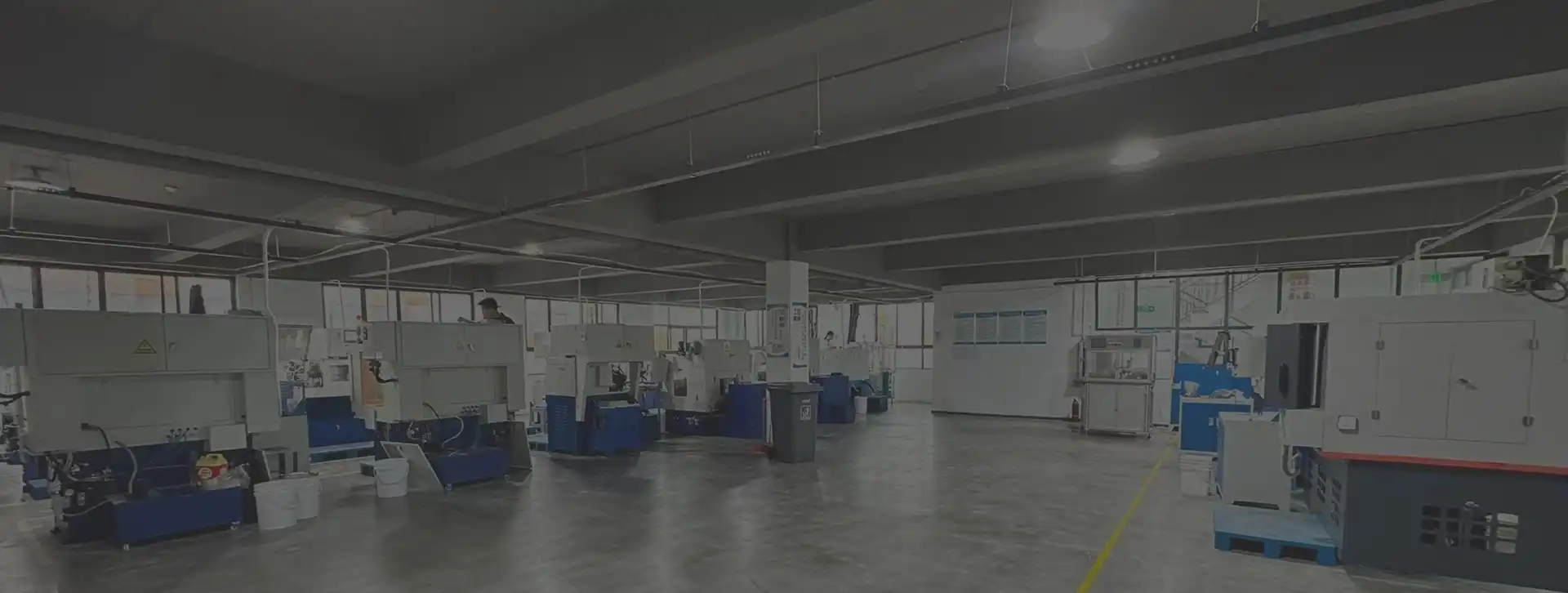
Manufactured from premium ZrO₂ powder
Ensures smooth surface finish and dimensional accuracy
Guarantees reliable performance and long service life
Bearings designed to meet specific industrial needs
A silicon nitride (Si₃N₄) bearing is a type of ceramic bearing made from silicon nitride, a high-performance ceramic material. Unlike traditional steel bearings, silicon nitride bearings are lighter, harder, and highly resistant to heat and corrosion, making them ideal for demanding applications in industries such as aerospace, automotive, semiconductor, and high-speed machinery.
Absolutely. Silicon nitride is highly resistant to acids, alkalis, and most chemicals. It is ideal for chemical processing, semiconductor, and food industries, where corrosion resistance is critical.
Not always. While they excel in high-speed, high-temperature, and corrosion-resistant environments, they may not be suitable for extremely heavy impact or shock-loaded applications, where steel bearings’ toughness is advantageous.
Yes. Silicon nitride bearings excel at high-speed operations due to their low density, low friction, and excellent heat resistance. They produce less centrifugal force, generate lower heat, and can sustain higher RPMs than steel bearings of the same size.
Yes, the initial cost is higher due to advanced manufacturing processes. However, their longer service life, higher speed performance, and lower maintenance requirements often make them more cost-effective in the long term.
Regular inspection for contamination or misalignment. Use proper lubrication if required. Avoid excessive shock loads or improper mounting. Ensure housing and shafts are compatible with ceramic materials.