These bearings can accommodate angular misalignment between the shaft and housing, reducing stress on the system and preventing premature failure.
External spherical bearings can support heavy radial loads and, in some designs, axial loads in both directions, making them suitable for demanding applications.
External spherical bearings are resistant to shock loads, vibration, and contamination, especially when combined with seals or lubrication.
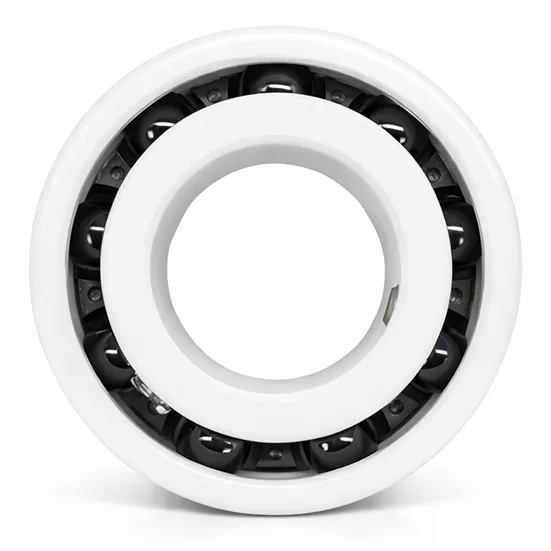
Many versions come with lubrication grooves or are maintenance-free (solid lubricated), reducing downtime and operational costs.
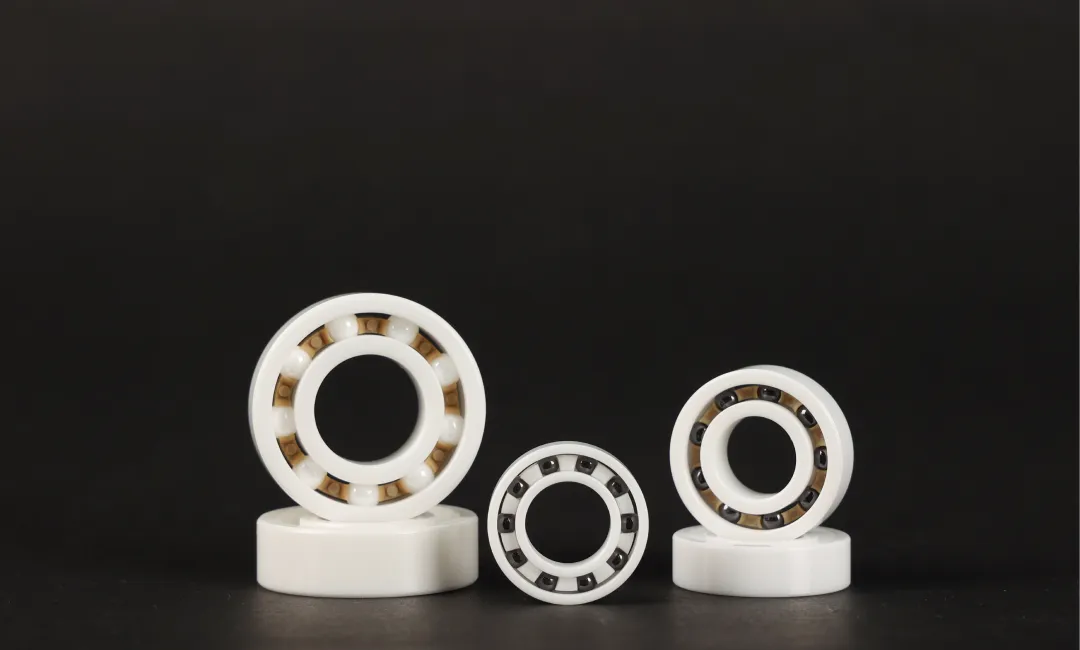
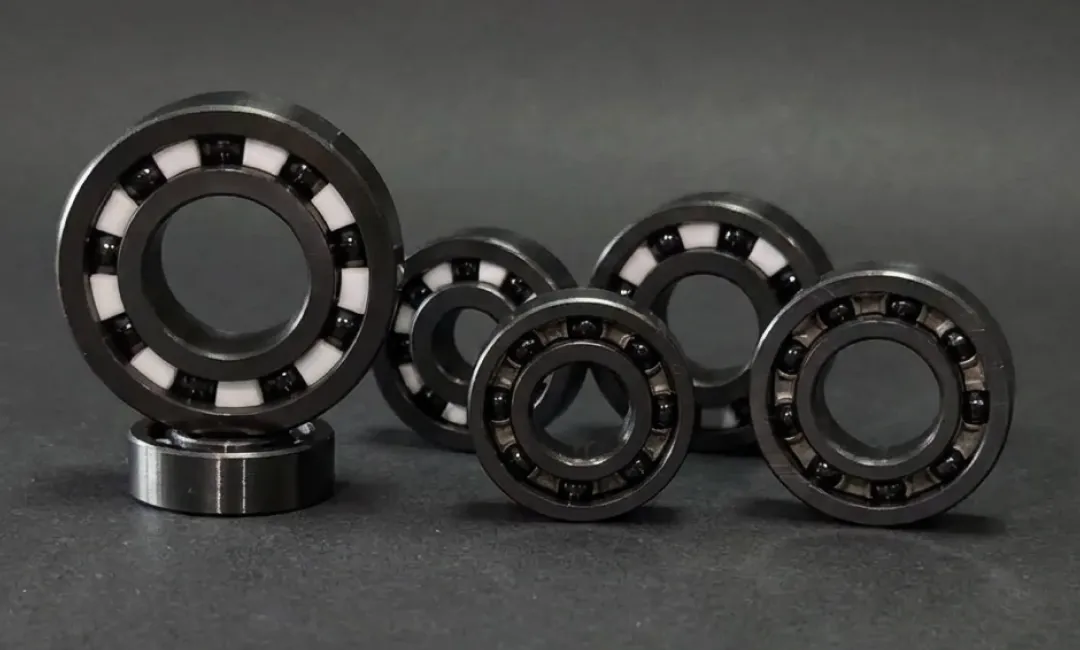
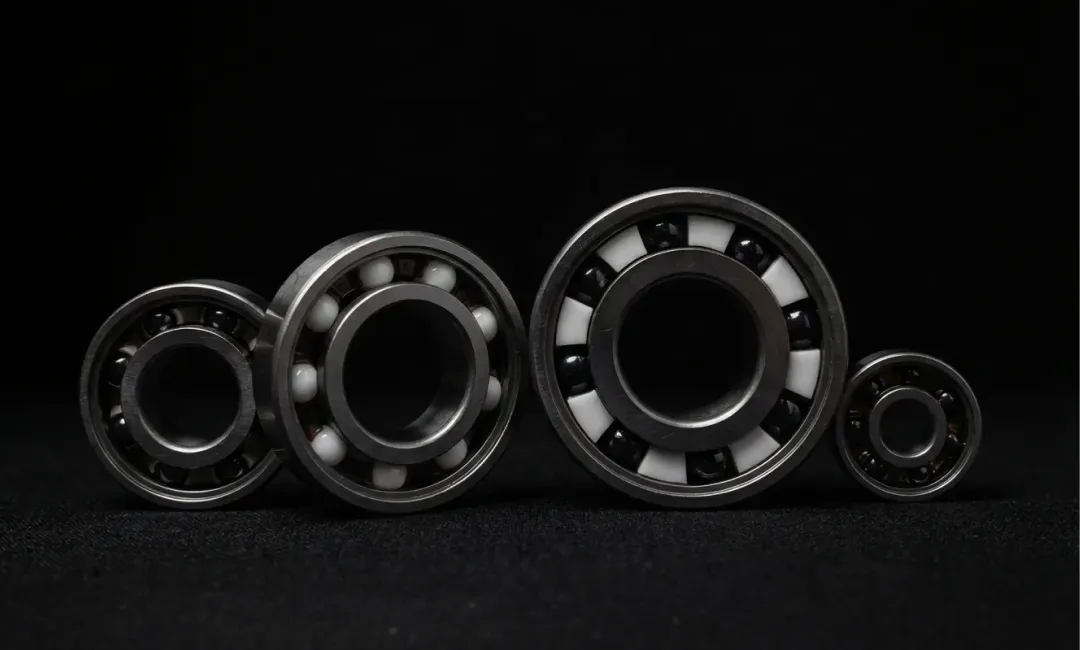
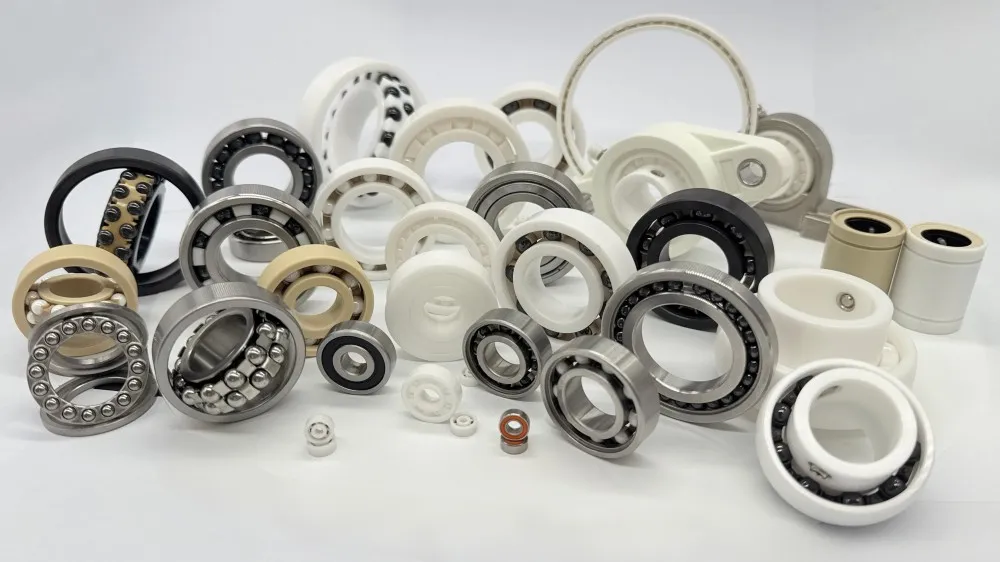
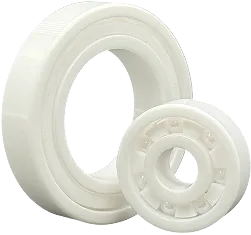
They are available in various materials, including steel, stainless steel, and polymer composites, to suit high-temperature, corrosive, or heavy-duty applications.
The spherical inner ring ensures smooth rotation even under misalignment, improving machine performance and reducing noise.

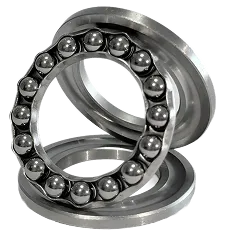
Accommodates misalignment: Can handle angular deviations between connected components. Handles combined loads: Supports both radial and axial forces. Durable and reliable: Often designed for high load and harsh operating conditions. Flexible mounting options: Rod-end or flanged designs for easy integration.
Radial spherical plain bearings: Handle radial loads primarily. Axial spherical plain bearings: Designed for axial loads (thrust) with some radial capability. Rod-end (heim) bearings: Include a threaded shank, ideal for connecting rods and adjustable linkages. Self-lubricating bearings: Incorporate PTFE or other composite liners for low-maintenance operation.
Limited rotational speed compared to ball bearings. Requires adequate lubrication for long life, especially under heavy load. May wear faster if contaminated with dirt or debris.
Ensure proper alignment during installation. Use correct lubrication and maintain a regular schedule. Prevent contamination with dust, dirt, or metal debris. Avoid shock loads beyond the bearing’s rated capacity.
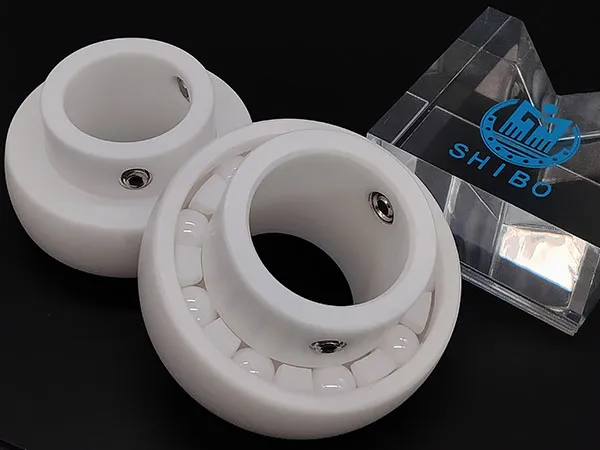
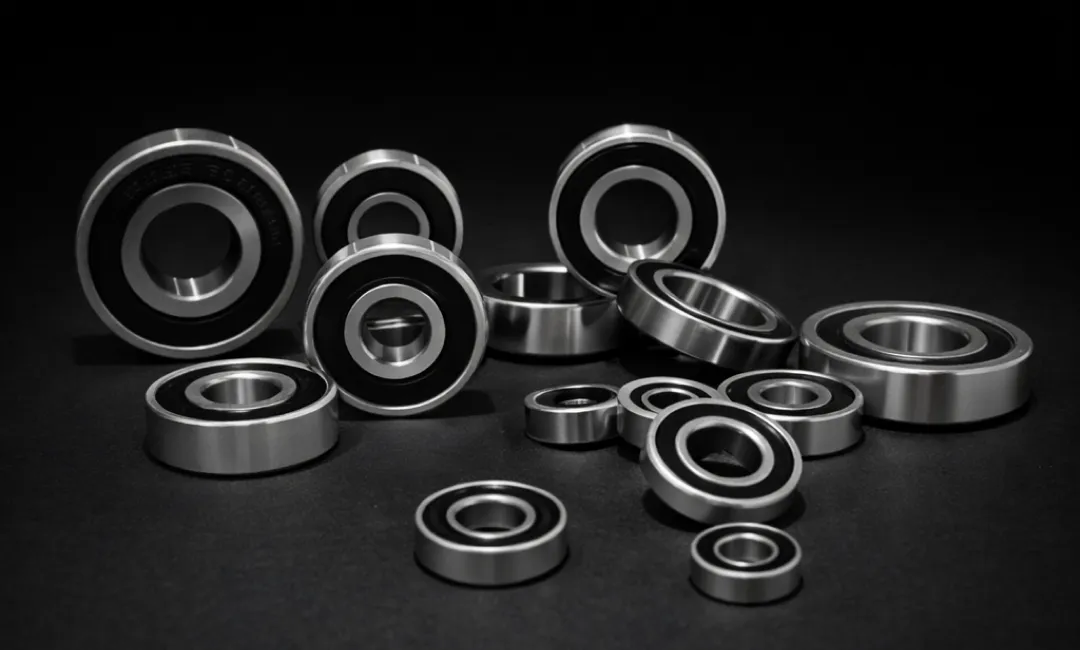
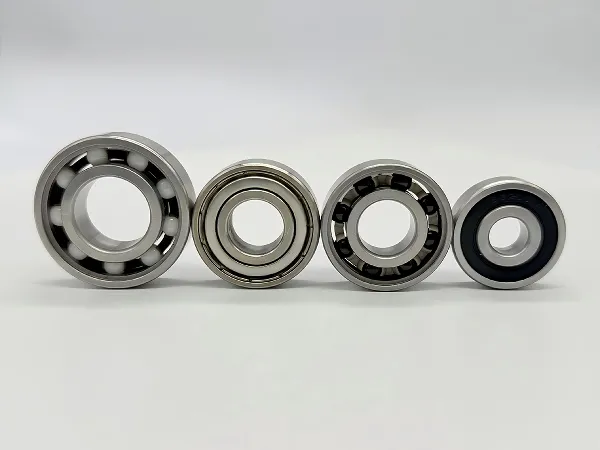
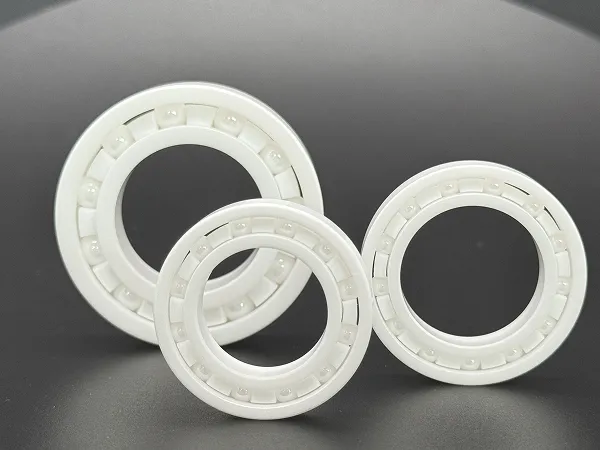
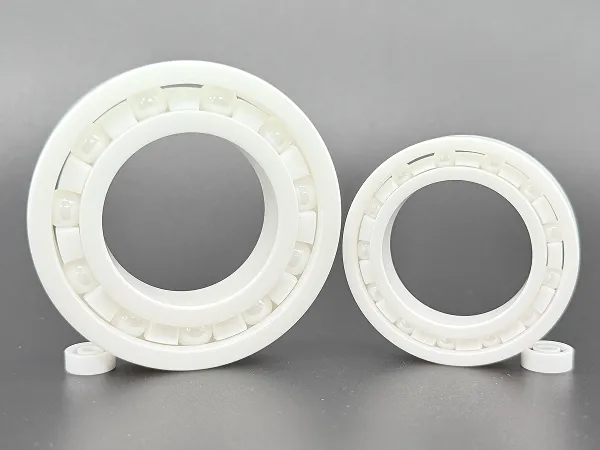
The bearing consists of: Outer ring with spherical surface; Inner ring; Sliding contact layer or balls (depending on type); The spherical shape of the outer ring allows the inner ring to tilt at small angles while rotating, making it ideal for applications where alignment errors or shaft deflections occur.
An external spherical bearing (also called a spherical plain bearing) is a type of bearing that allows rotational and angular movement between two parts. It is designed to accommodate misalignment and axial and radial loads simultaneously.The “external” term typically refers to the outer ring being spherical, allowing the inner ring to rotate and tilt inside it.
Hydraulic cylinders and actuators; Automotive suspension systems; Construction and agricultural machinery; Industrial machinery linkages; Robotics and motion control systems.
Grease lubrication: Common for industrial applications; periodic maintenance needed. Oil lubrication: Used for high-speed or high-load applications. Self-lubricating bearings: Require minimal or no external lubrication.