Time: 2025-12-27 07:06:04
In industries where speed, precision, and durability matter, ceramic bearings are becoming the preferred choice over traditional steel bearings. From high-speed motors to corrosive chemical environments, ceramic bearings offer unique advantages. But with different materials, designs, and performance levels available, how do you choose the right one?
This ceramic bearing selection guide will walk you through the key factors to consider, helping you select the best ceramic bearing for your specific application.
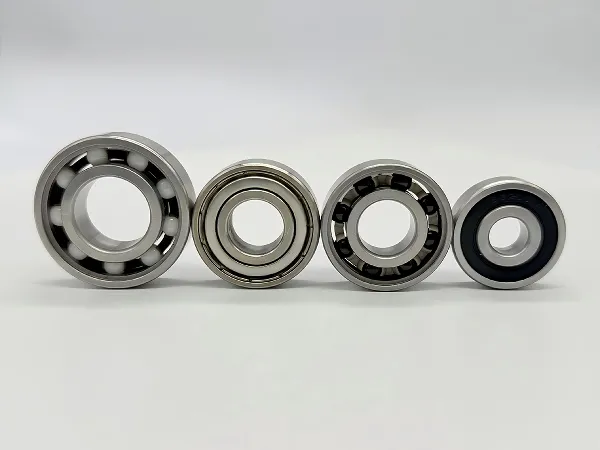
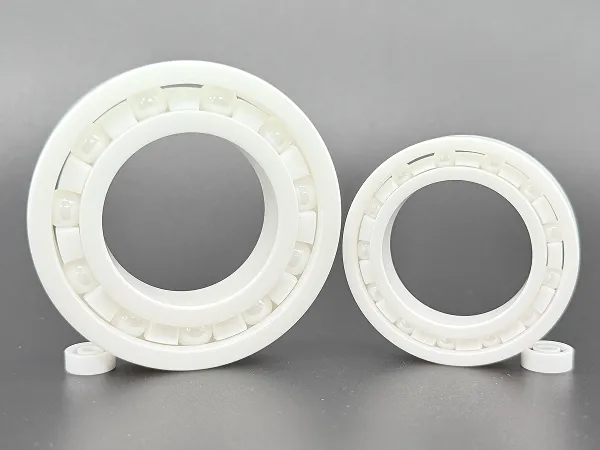
Ceramic bearings use ceramic materials—most commonly silicon nitride (Si₃N₄) or zirconia (ZrO₂)—either for the rolling elements or for the entire bearing. Based on structure, they are typically classified into:
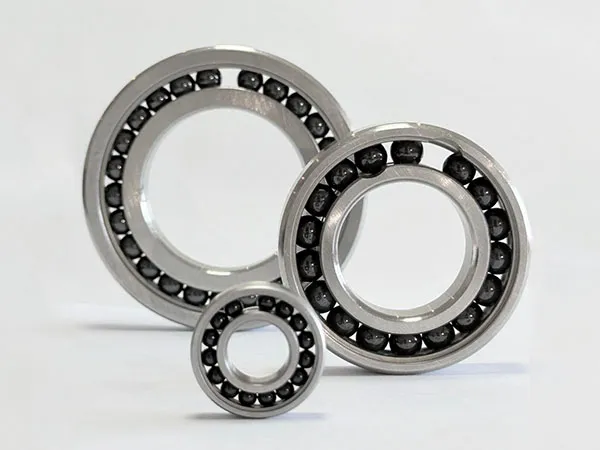
Hybrid ceramic bearings – ceramic balls with steel rings
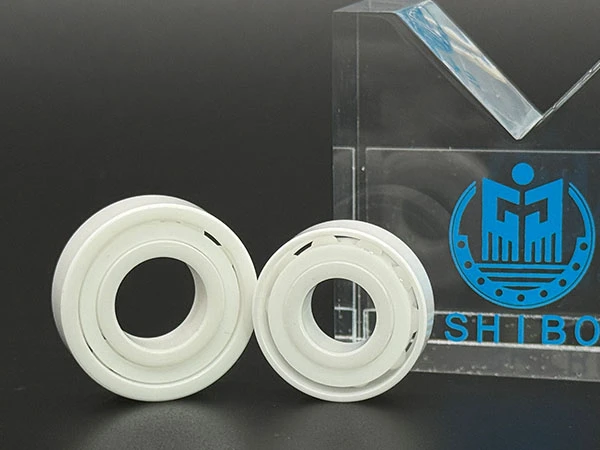
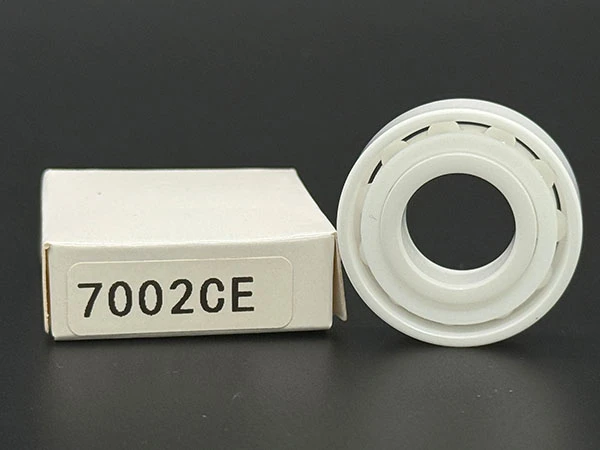
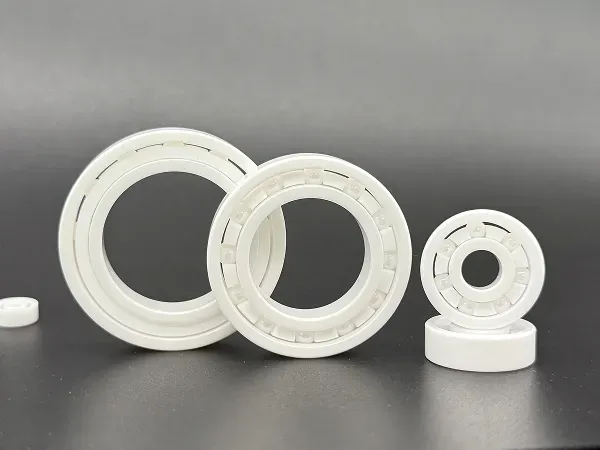
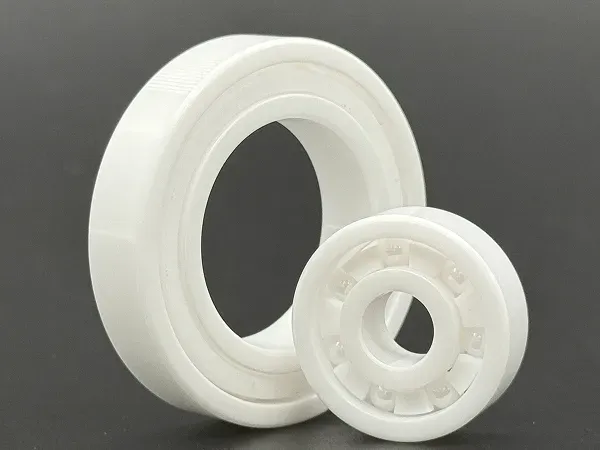
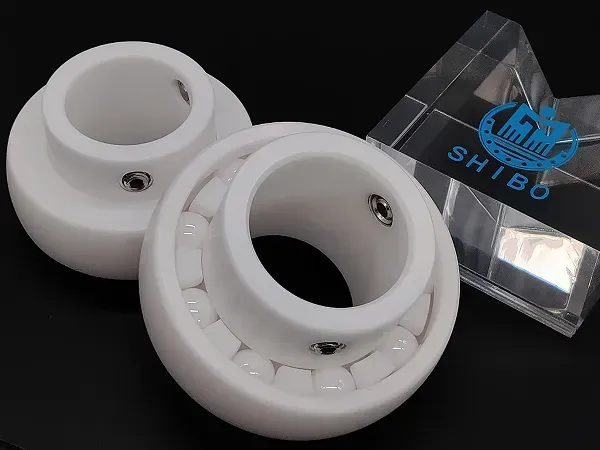
Full ceramic bearings – ceramic balls and ceramic rings
Both types deliver superior performance compared to conventional steel bearings in demanding conditions.
Before diving into selection, it’s important to understand why ceramic bearings stand out:
High-speed capability – lighter balls reduce centrifugal force
Excellent corrosion resistance – ideal for wet or chemical environments
Electrical insulation – prevents current leakage and damage
Low friction & low heat generation – improves efficiency
Long service life – reduced wear and maintenance
These benefits make ceramic bearings ideal for motors, pumps, aerospace, medical devices, and precision machinery.
Choosing the right ceramic bearing requires evaluating several critical parameters:
Start by defining where and how the bearing will be used:
Operating speed (RPM)
Load type: radial, axial, or combined
Working environment: moisture, chemicals, vacuum, clean room
Noise and vibration limits
Required service life
For example, ultra-high-speed spindles often favor hybrid ceramic bearings, while corrosive environments may require full ceramic designs.
Material plays a central role in performance:
Silicon Nitride (Si₃N₄):
Lightweight and extremely hard
Excellent for high-speed and high-temperature use
Long fatigue life
Zirconia (ZrO₂):
Higher density and toughness
Better impact resistance
Suitable for moderate speed with heavy loads
Tip: For most high-speed industrial applications, Si₃N₄ is the first choice.
Hybrid bearings are cost-effective and ideal for high-speed motors and generators.
Full ceramic bearings excel in corrosive, non-magnetic, and electrically sensitive environments, such as chemical processing or medical equipment.
Your budget, environment, and performance needs will determine the best option.
Ceramic bearings generally handle:
Higher speeds than steel bearings
Lower shock loads (ceramics are harder but more brittle)
If your application involves heavy impact or vibration, consult with the supplier to optimize design or consider reinforced hybrid options.
One advantage of ceramic bearings is reduced lubrication demand:
Can operate with minimal grease
Some full ceramic bearings run dry in clean environments
Less risk of seizure at high temperatures
Choose lubrication based on temperature, speed, and cleanliness requirements.
Ensure compatibility with your equipment:
Standard sizes (6000, 6200, 6300 series, etc.)
Precision grades: ABEC-5, ABEC-7, ABEC-9 or ISO equivalents
Low noise for precision instruments
Higher precision improves stability in high-speed and sensitive systems.
A practical ceramic bearing selection guide always links choice to application:
Electric motors & drives – prevent electrical pitting
Machine tool spindles – high-speed precision
Pumps & compressors – corrosion resistance
Aerospace & robotics – lightweight and reliability
Medical & food equipment – clean, non-contaminating operation
Chemical & marine environments – superior durability
Each industry has unique demands, making correct selection essential.
Define speed, load, and environment
Choose hybrid or full ceramic structure
Select suitable ceramic material
Confirm size and tolerance grade
Decide lubrication method
Verify supplier quality and customization ability
Working with an experienced manufacturer ensures your bearing is optimized for performance and longevity.
A reliable supplier offers more than products:
Wide range of standard and custom ceramic bearings
Material and application consulting
Strict quality control and testing
Fast delivery and technical support
This ensures you get the right solution, not just a standard part.
Selecting the right bearing is critical to equipment performance and reliability. With this Ceramic Bearing Selection Guide: How to Choose the Right Bearing, you can confidently evaluate materials, designs, and operating conditions to make the best choice for your application.
Whether you need high-speed performance, corrosion resistance, or long-term stability, ceramic bearings provide a future-ready solution for modern industries.
Looking for expert advice or custom ceramic bearing solutions? Contact our team today to find the perfect bearing for your project.